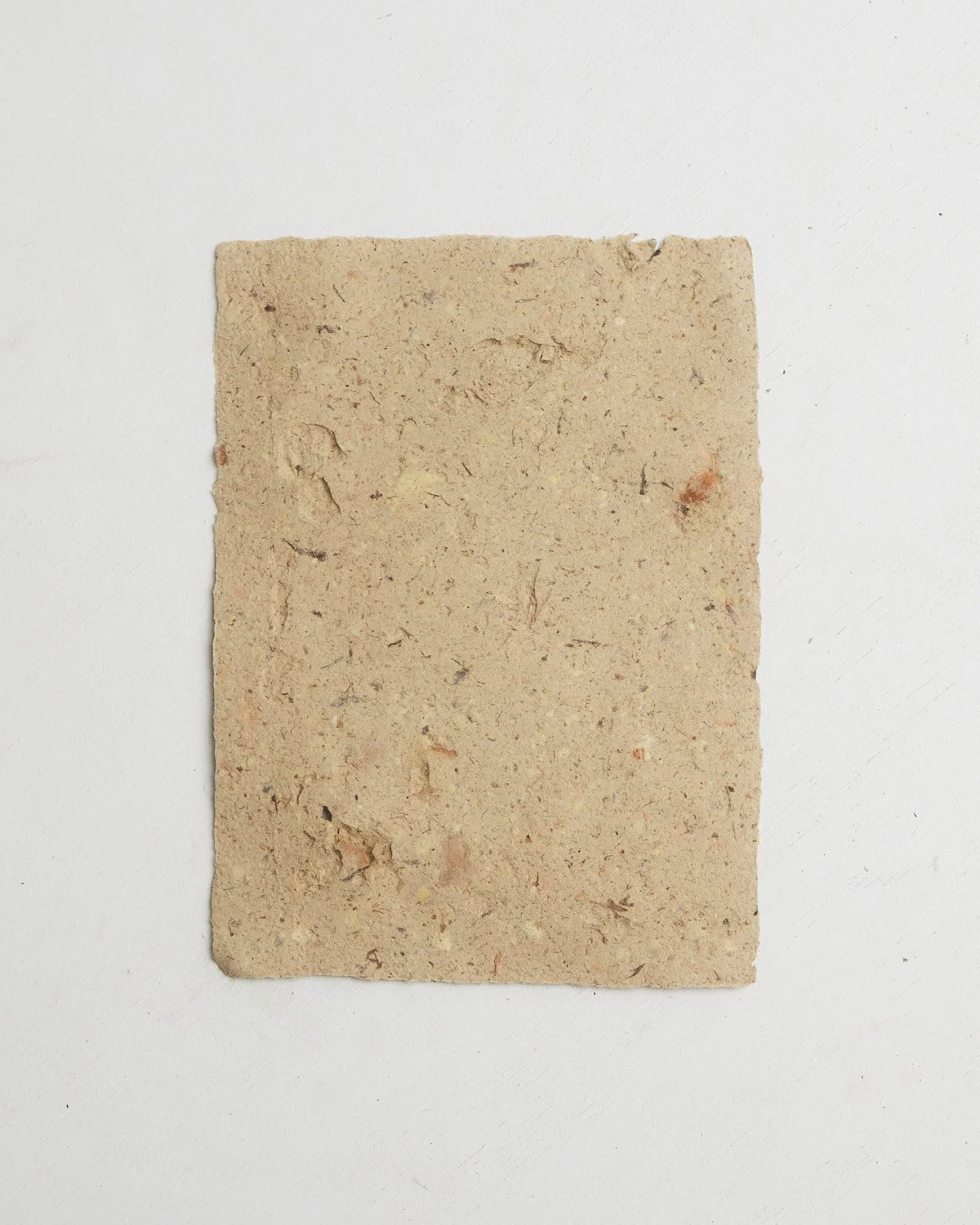
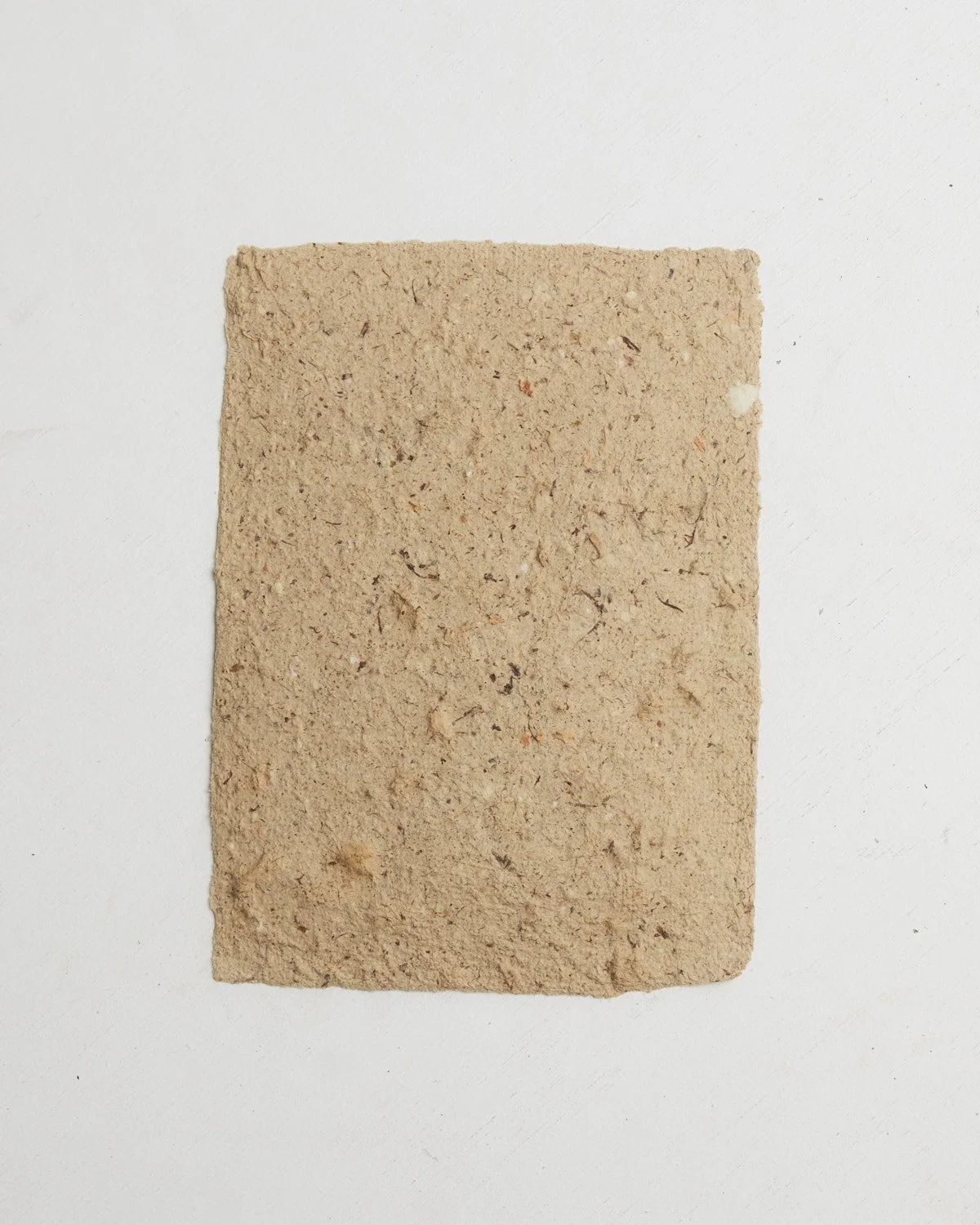
Fungus Paper Research Project
2023 - Ongoing
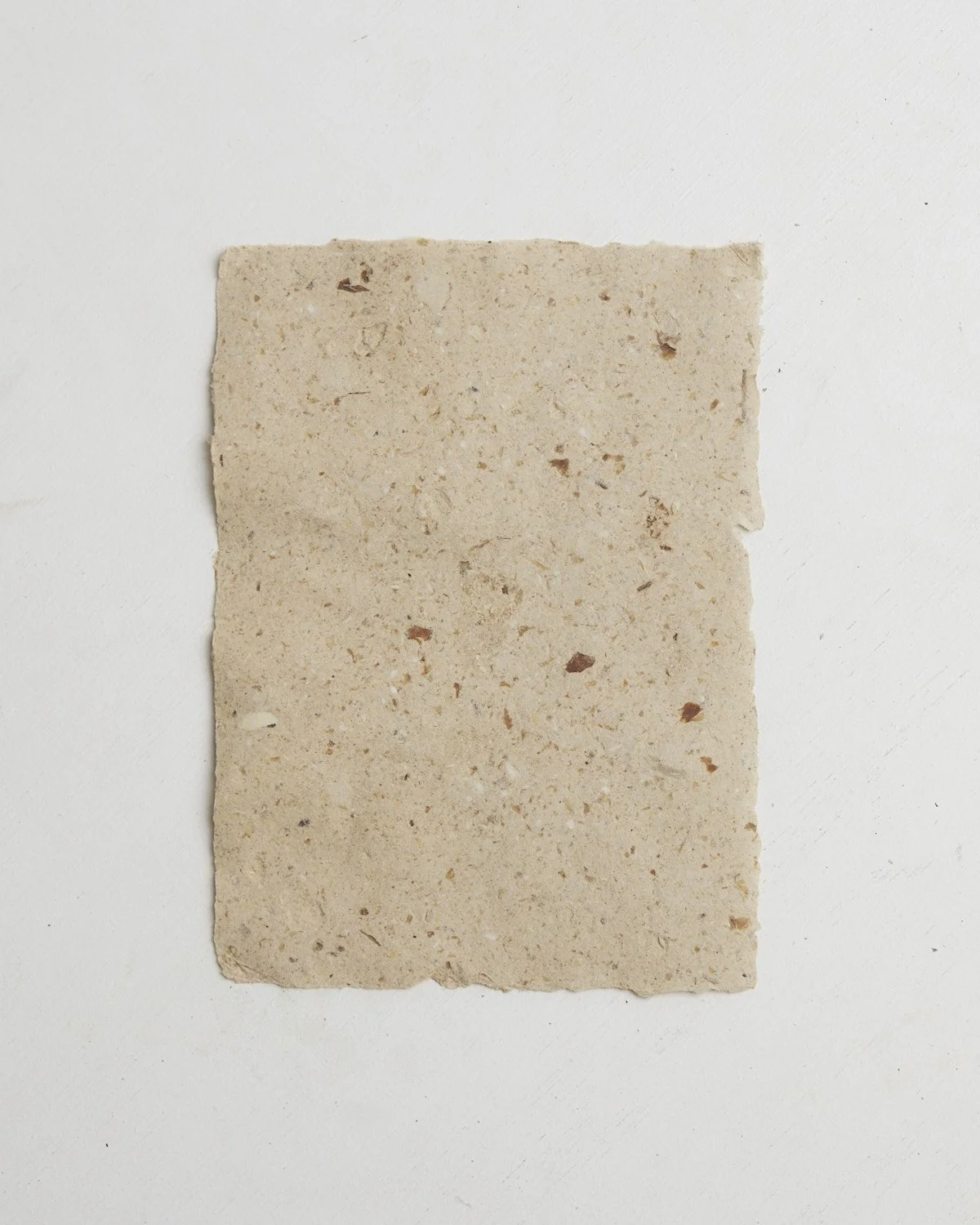
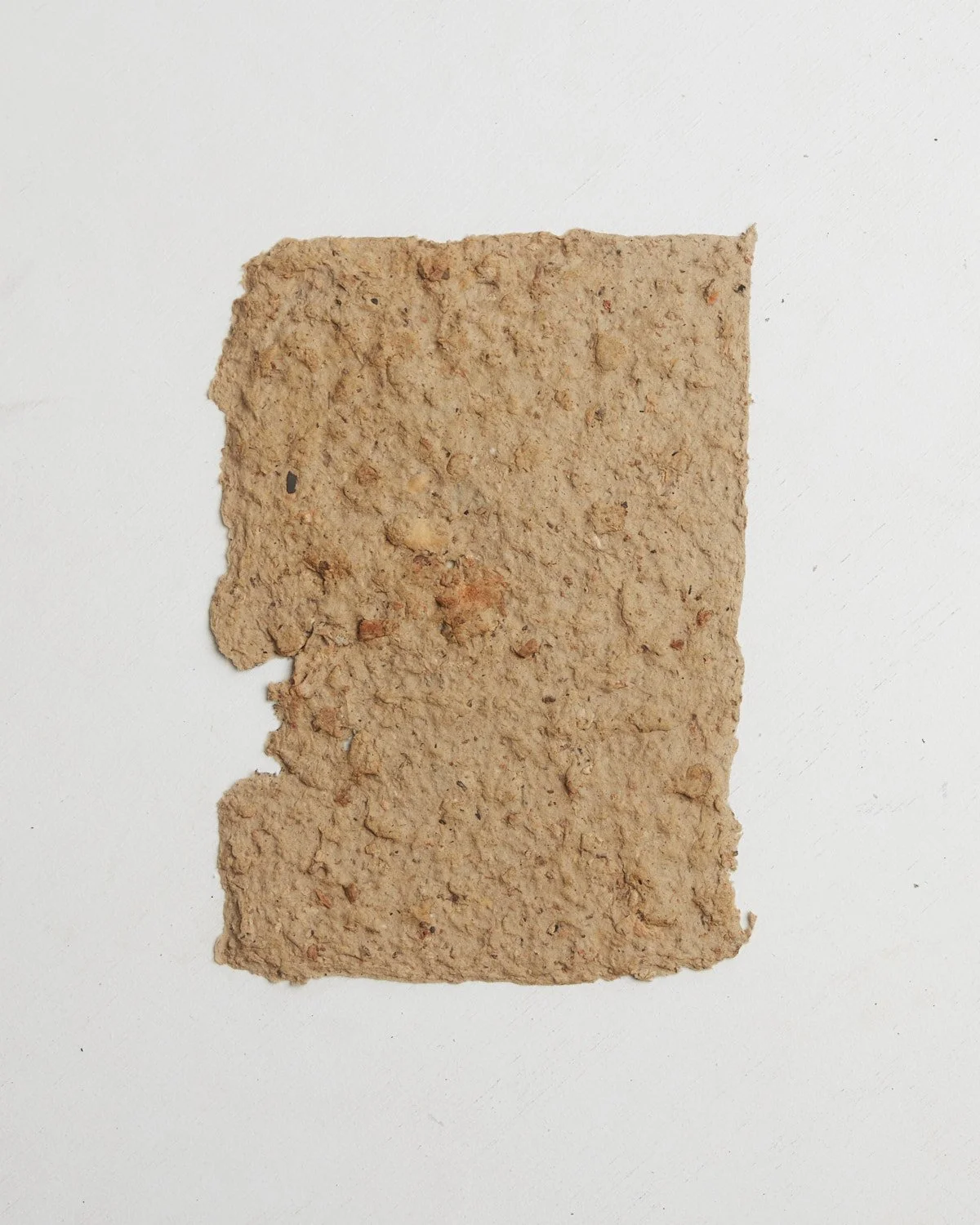
The Fungus Paper Research Project is an ongoing material collaboration that upholds the agency and autonomy of fungi in creative encounter with humans. Born from Charli Rose Gerry’s curiosity for mushroom foraging, the artist embraces a de-centred approach to paper-making with locally foraged mushrooms. In doing so, The Fungus Paper Research Project focuses on cultivating relations of curiosity and wonder in vibrant fungal worlds.
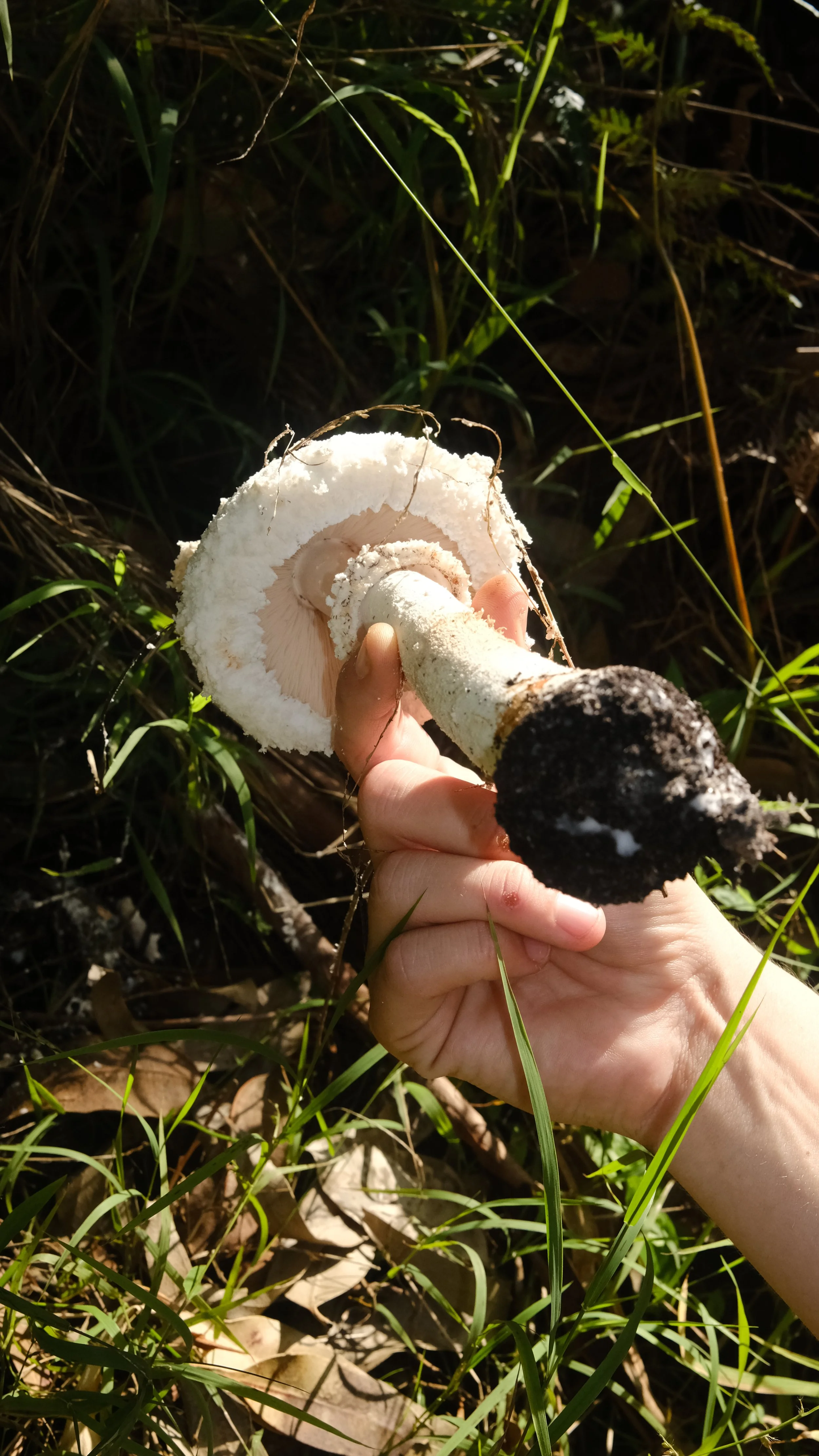
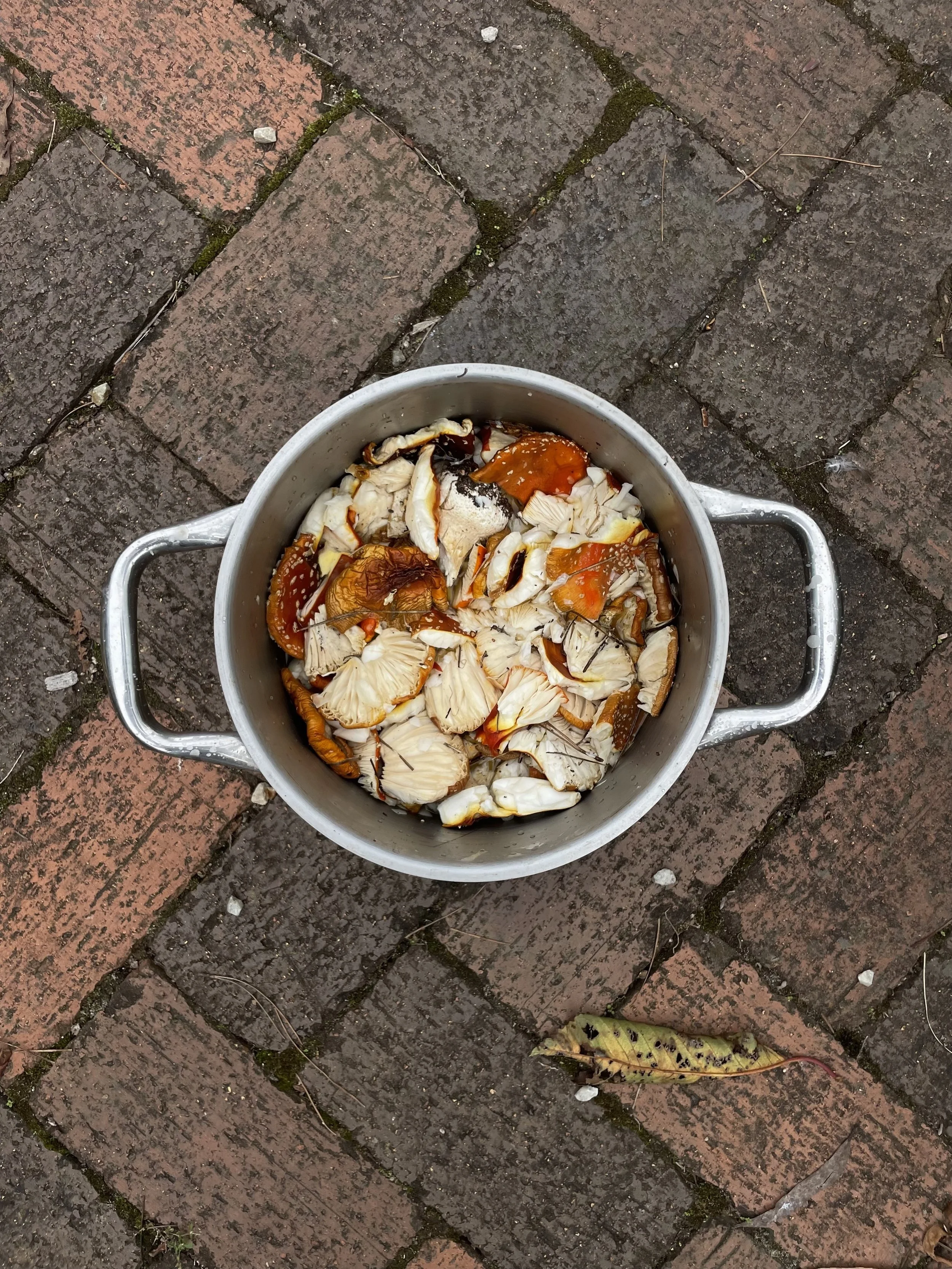
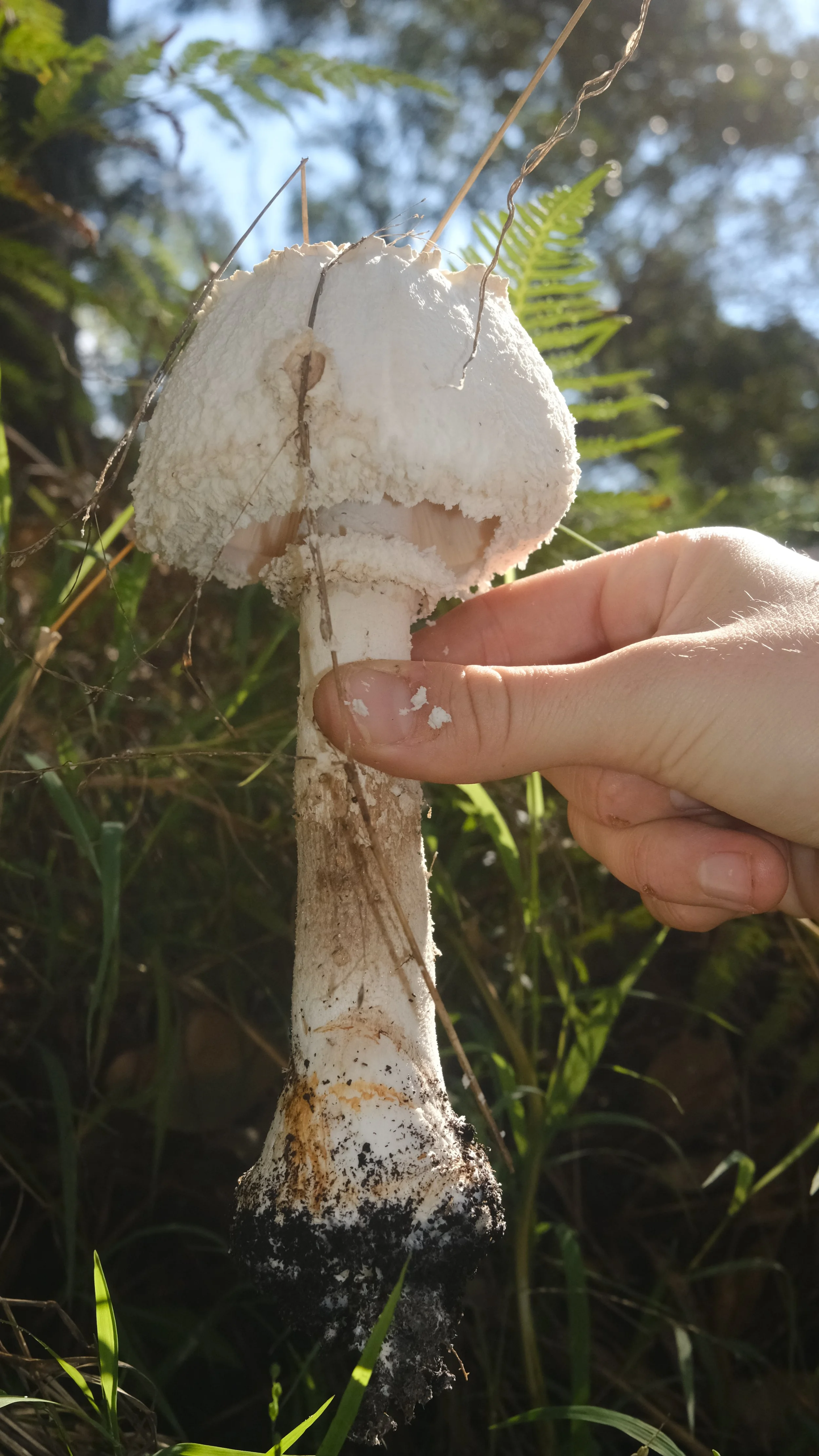
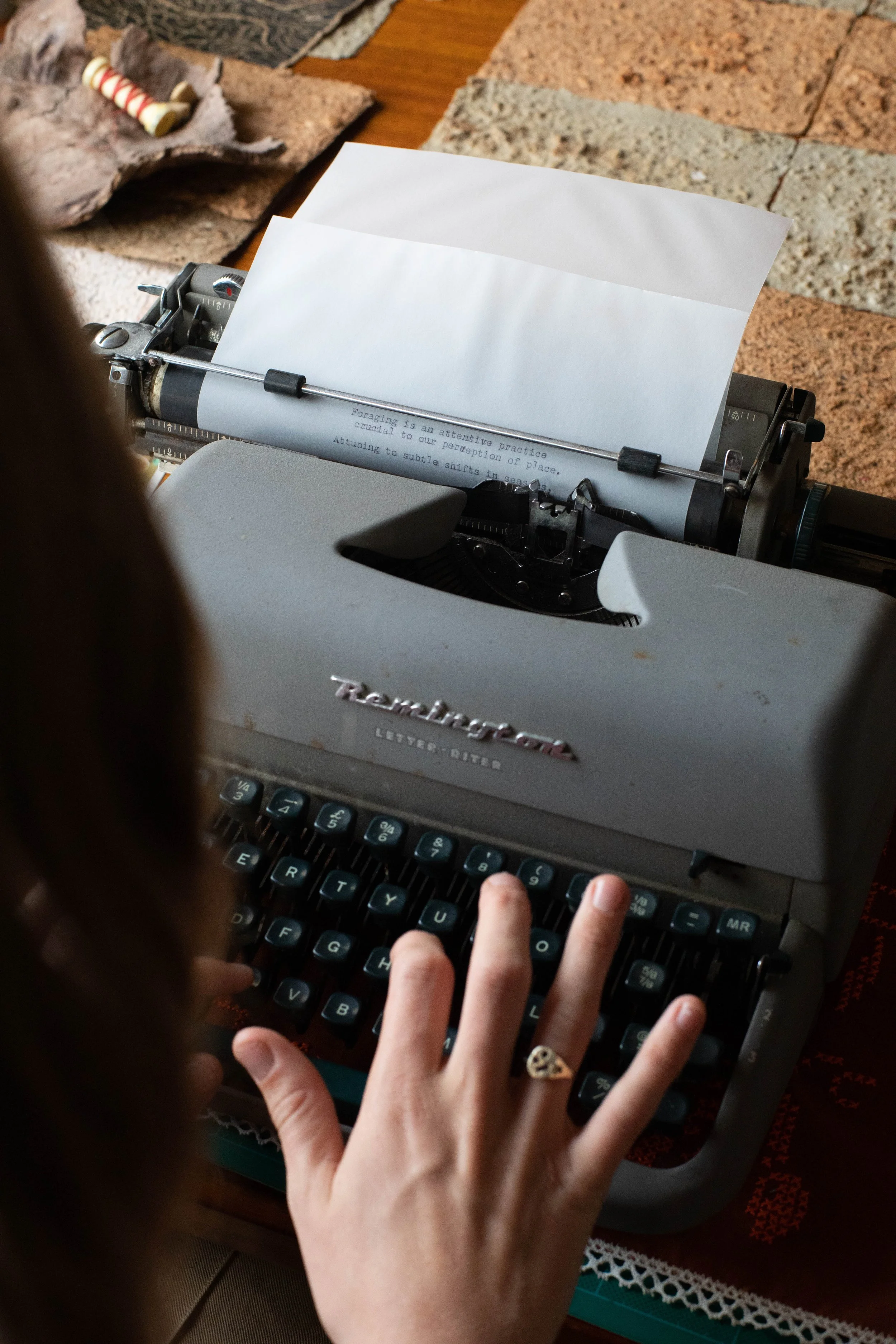
Emerging artist, researcher and writer Charli Rose Gerry uses mushroom foraging as an embodied research strategy that provides a more grounded approach to her perceptions of place. Focusing on fungi helps the artist form an understanding of different environments by tracing their symbiotic relationships with other organisms such as trees, plants and soils, and the climates and seasons in which certain fungi thrive within. The slow tempo that foraging encourages enables human bodies to coordinate with these interchanging intensities and movements within more-than-human ecologies.
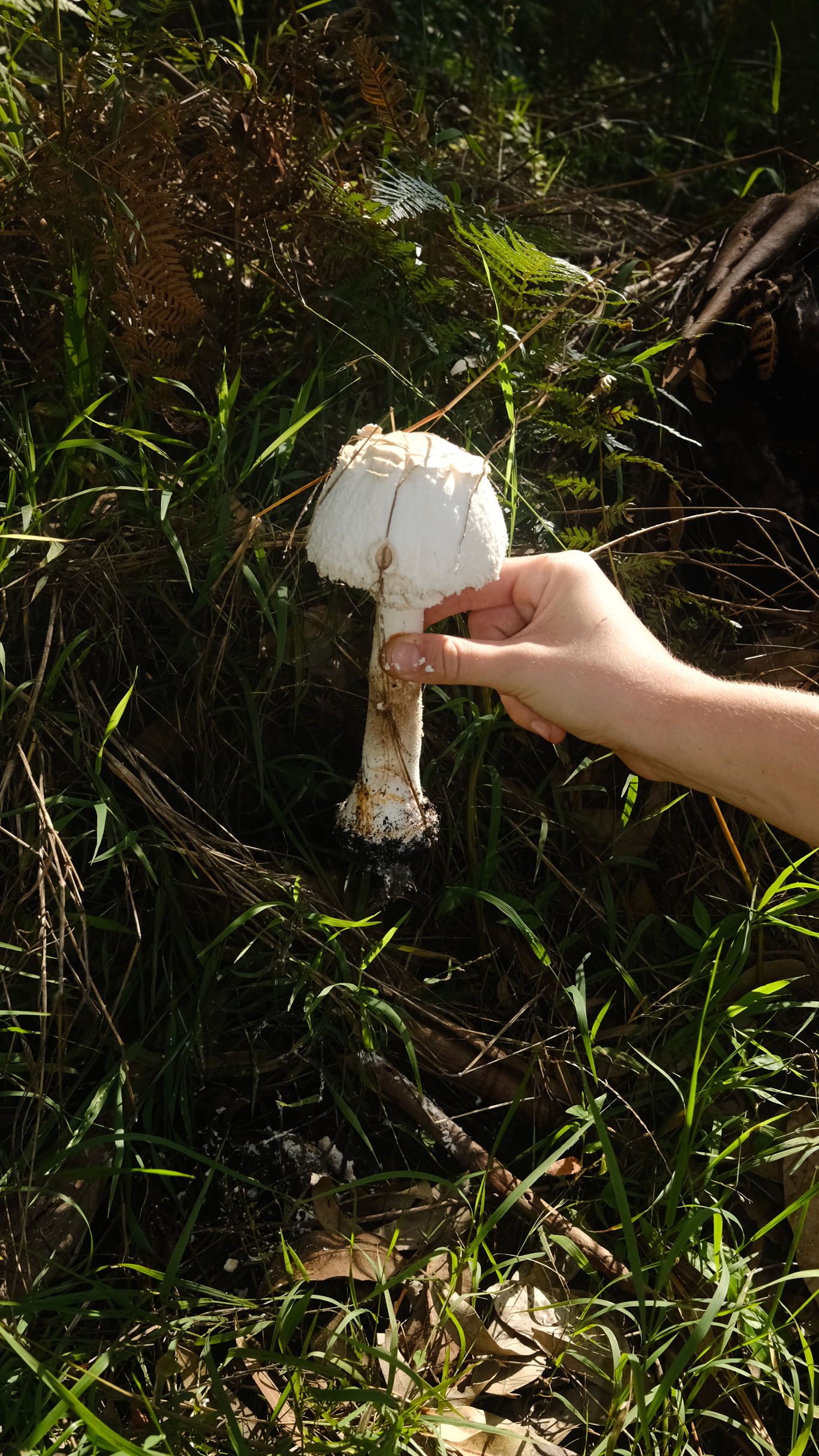
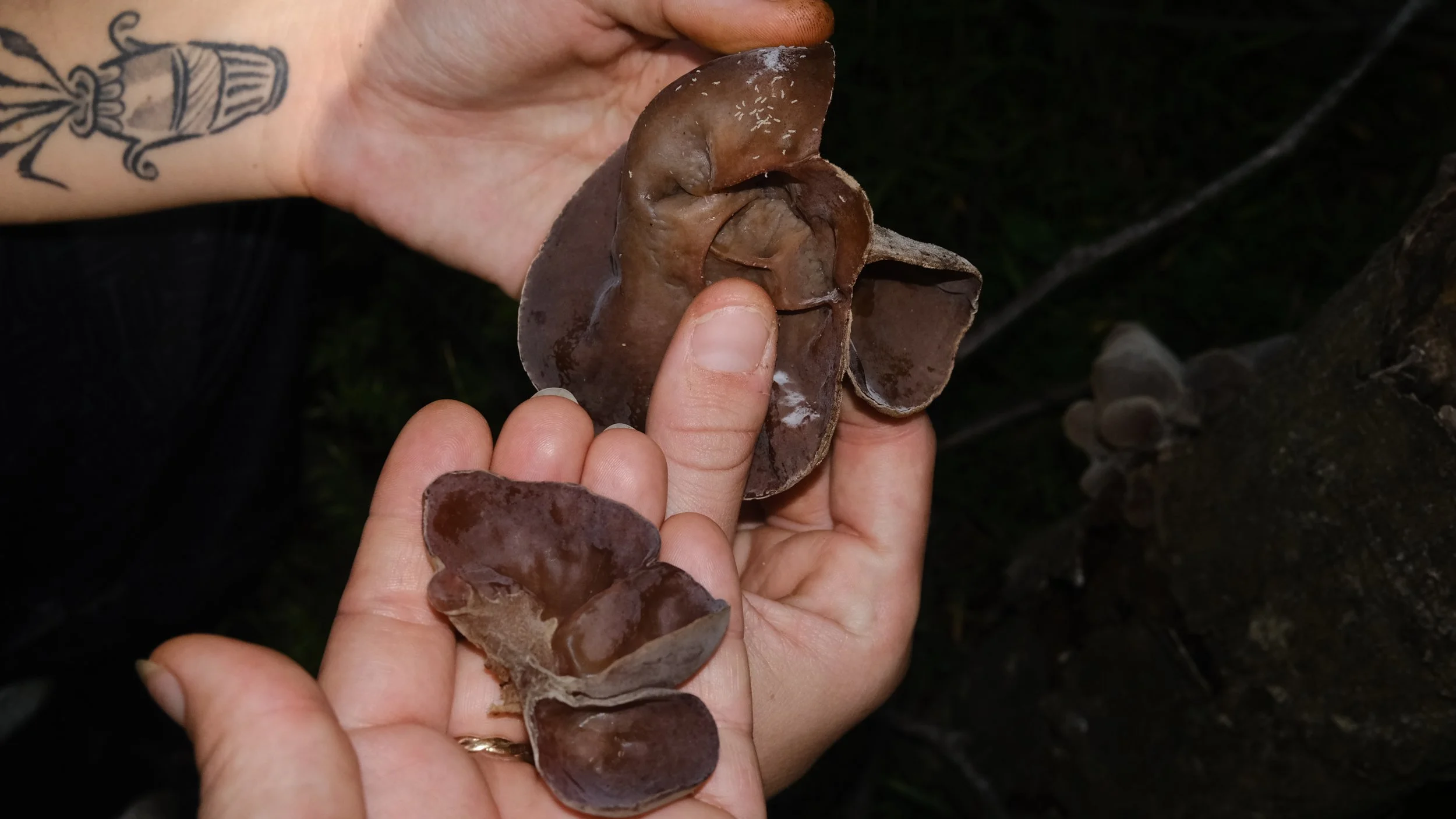
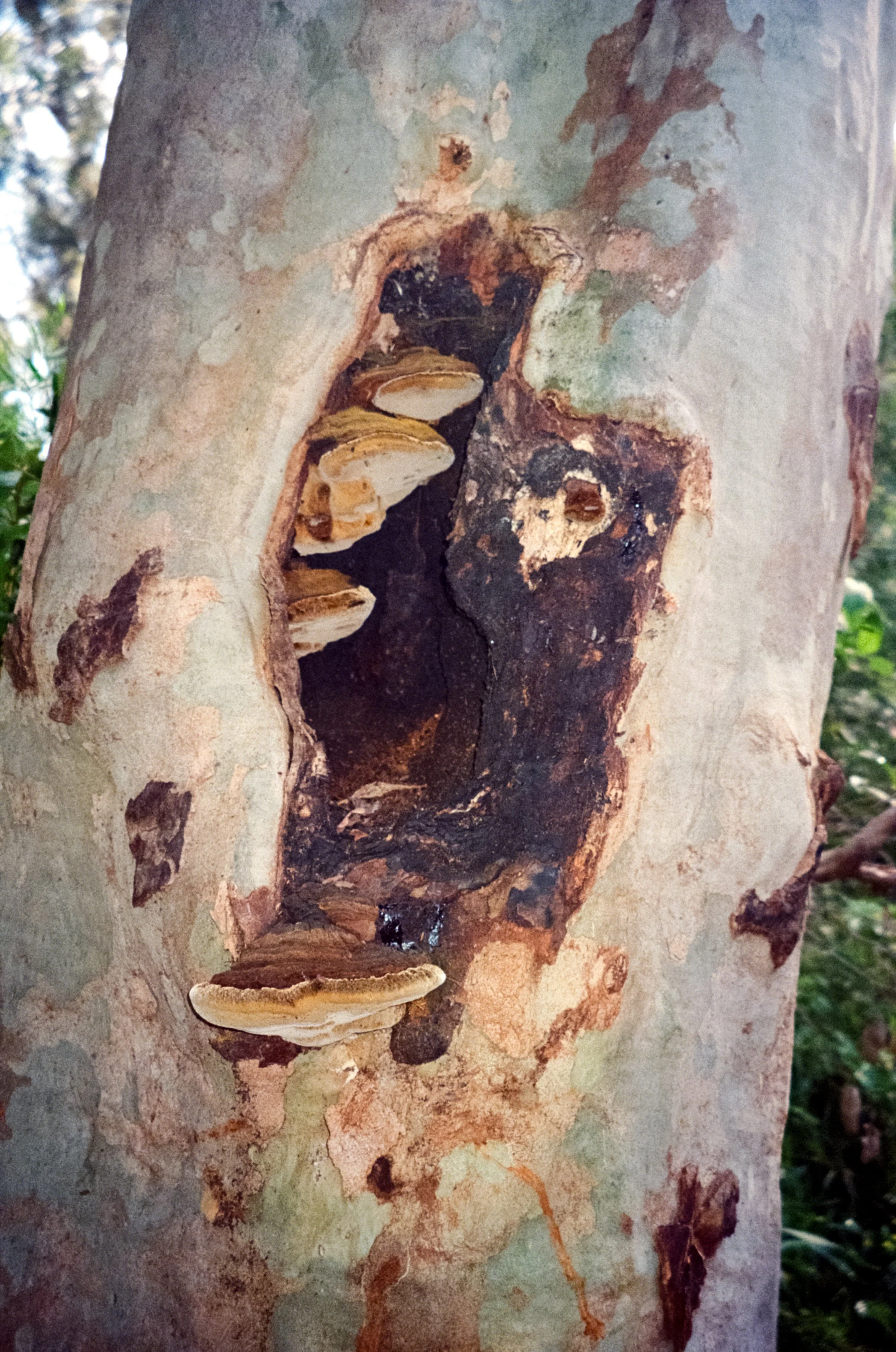
As a practice of gathering, mushroom foraging exposes humans to the grand assortment of textures, forms and palettes that fungal fruiting bodies can embody. From wood-rotting polypores to puffballs to fleshy mushrooms, the vast material and aesthetic range that fungi manifest propose exciting capacities for artistic experimentation.
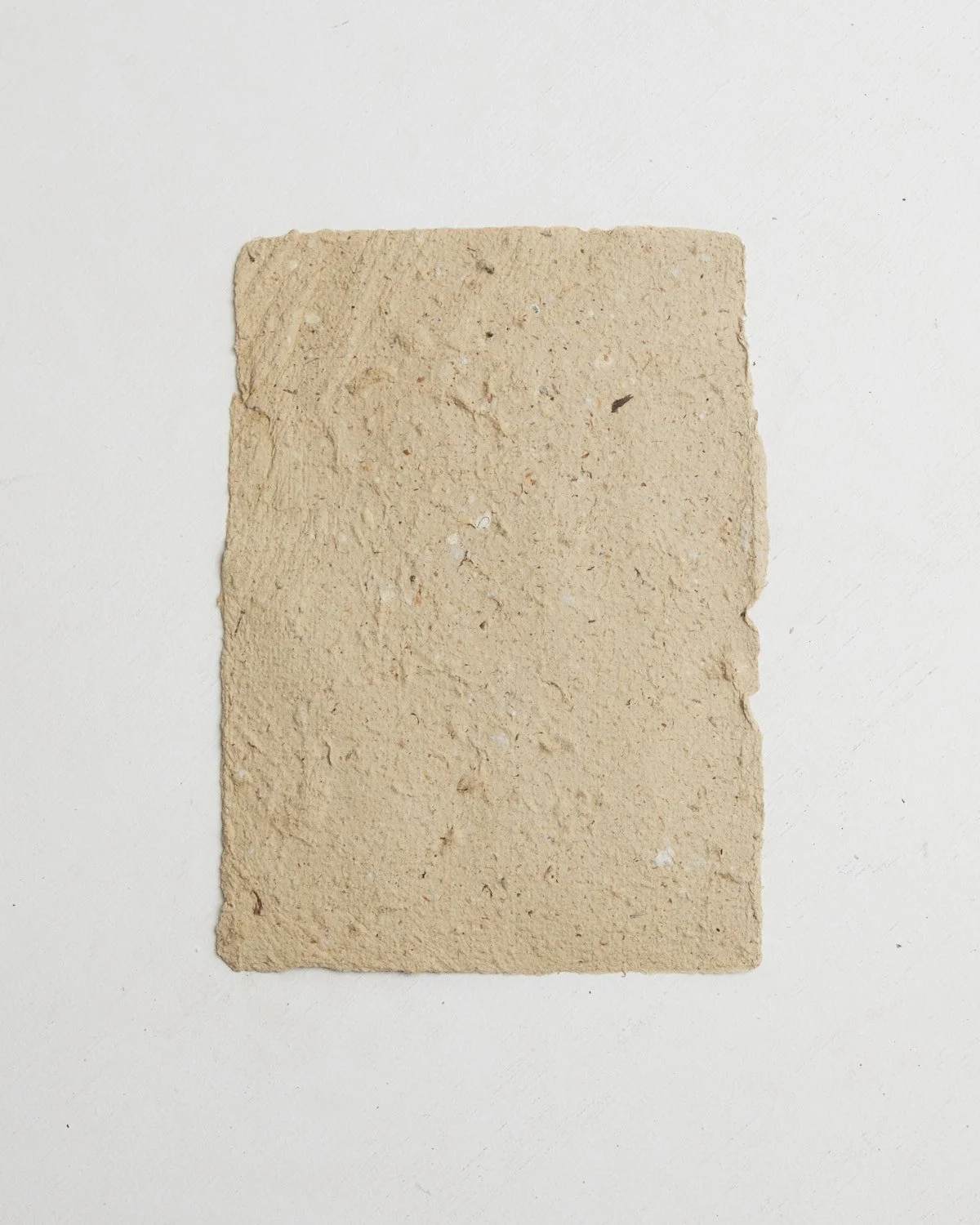
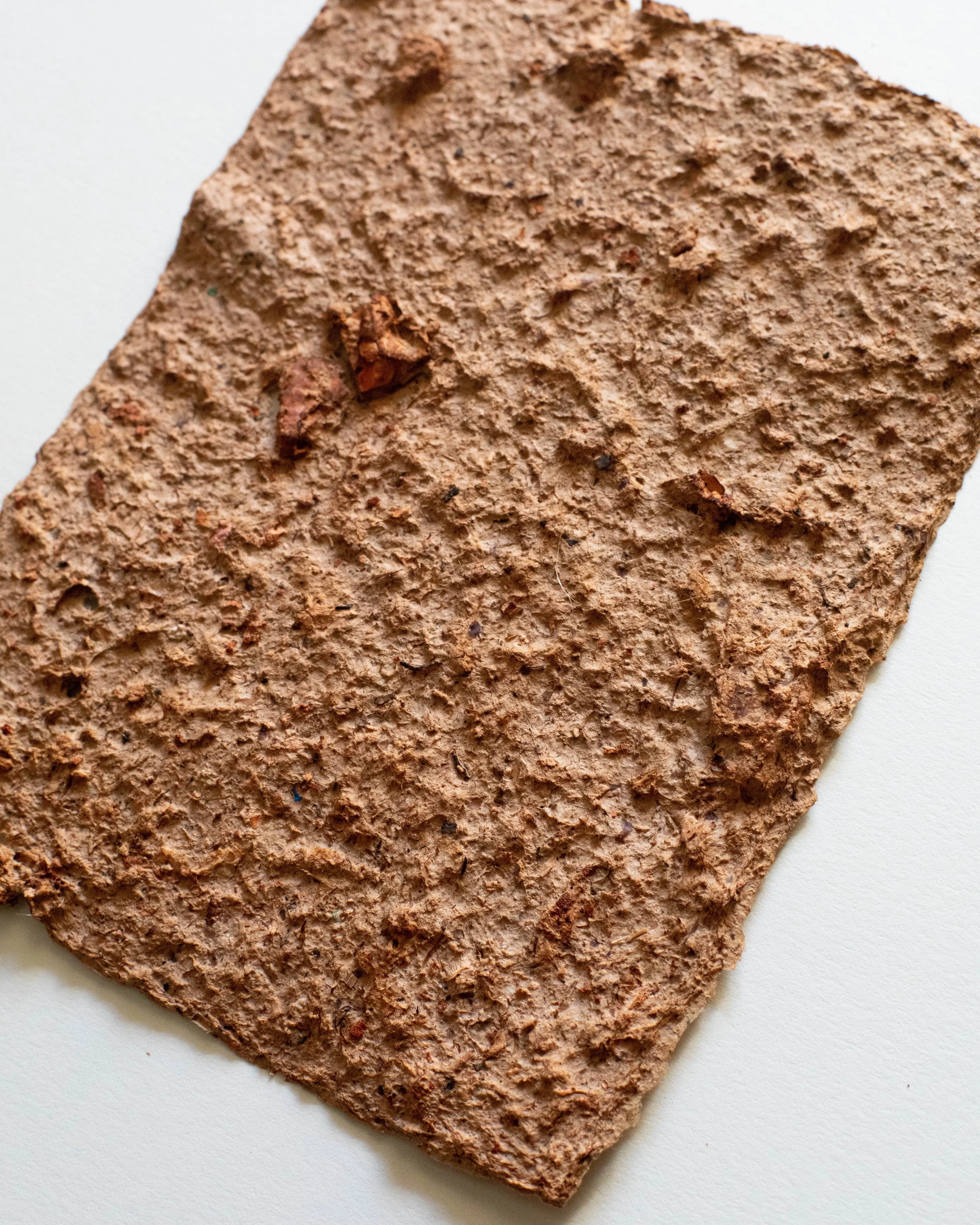
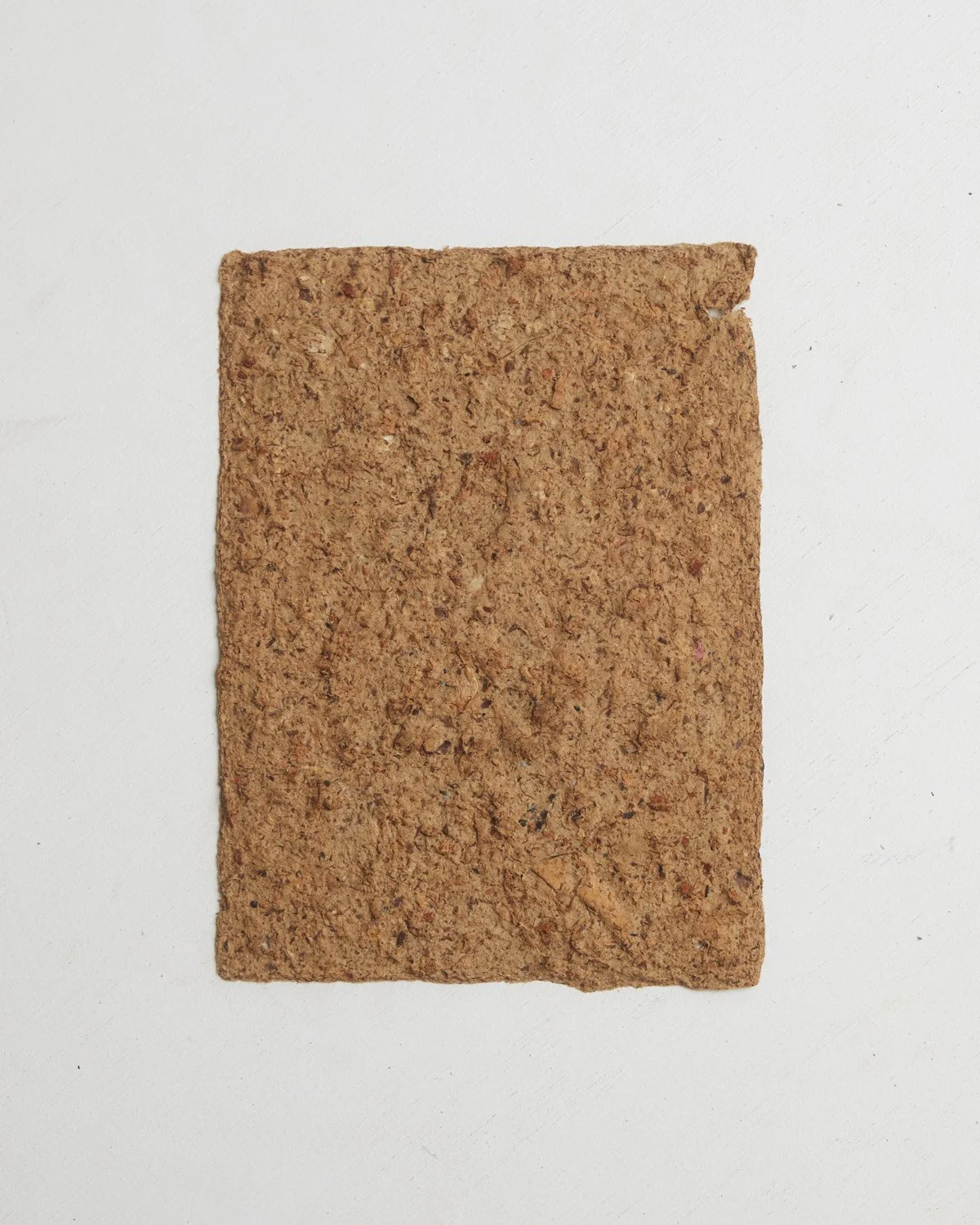
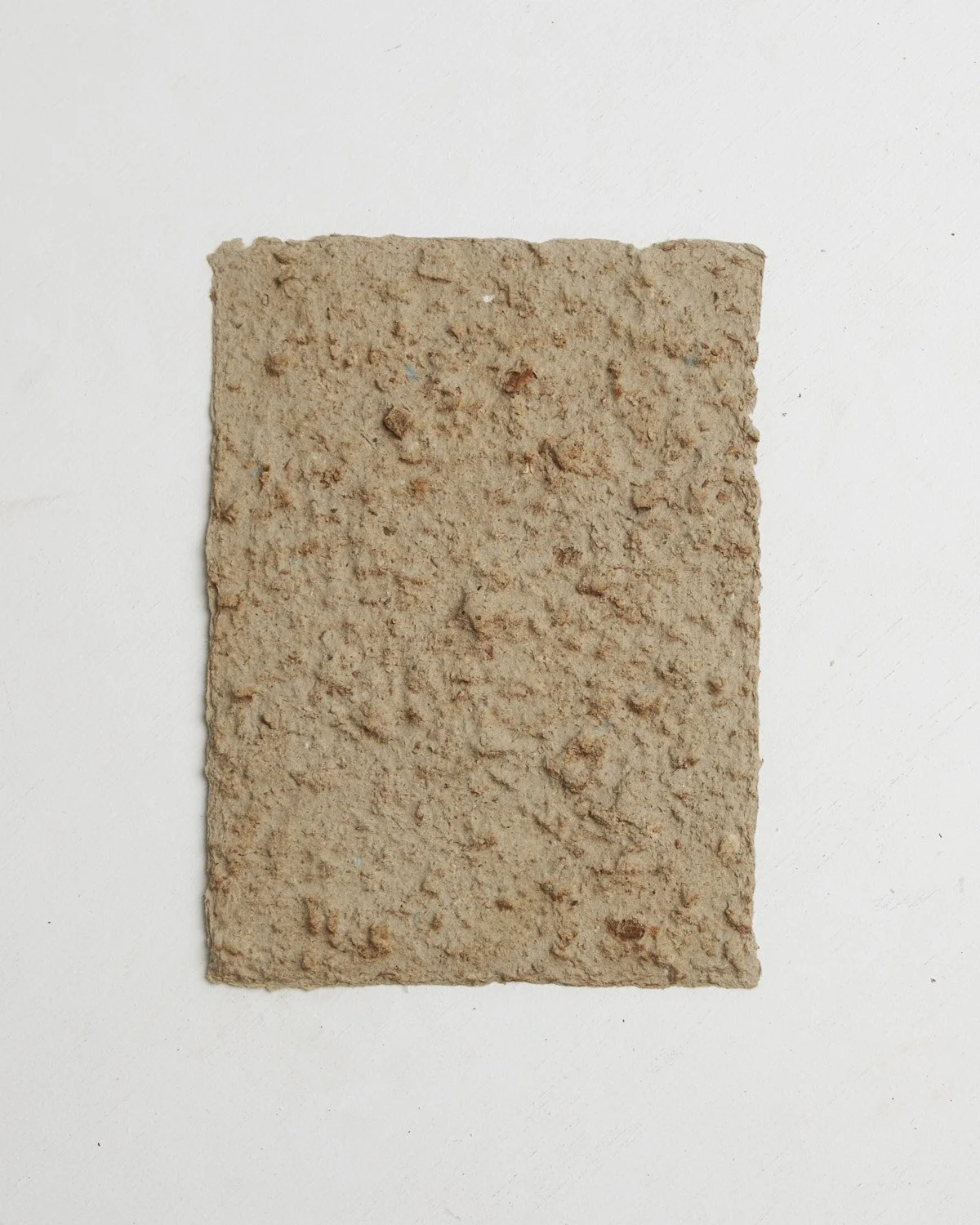
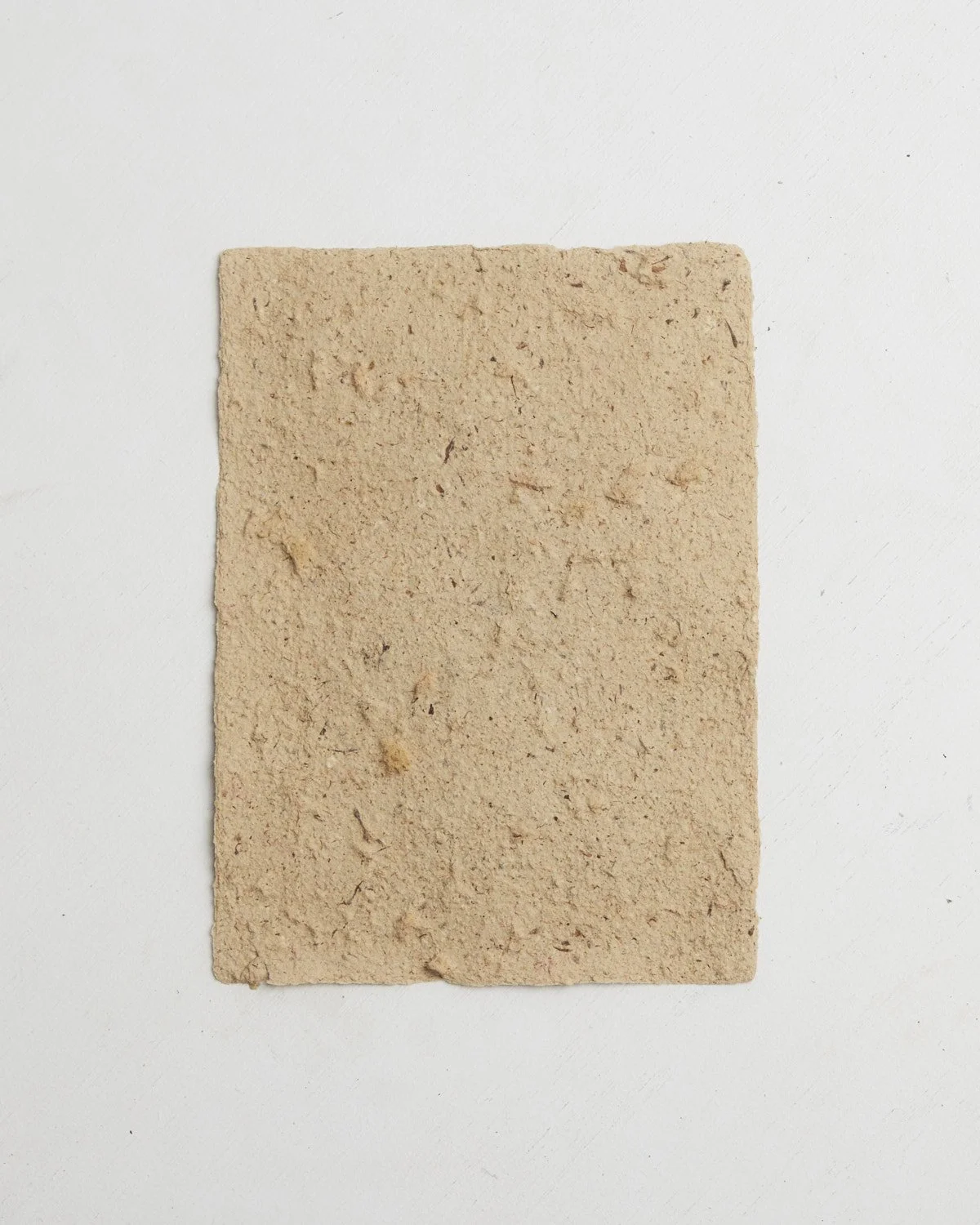
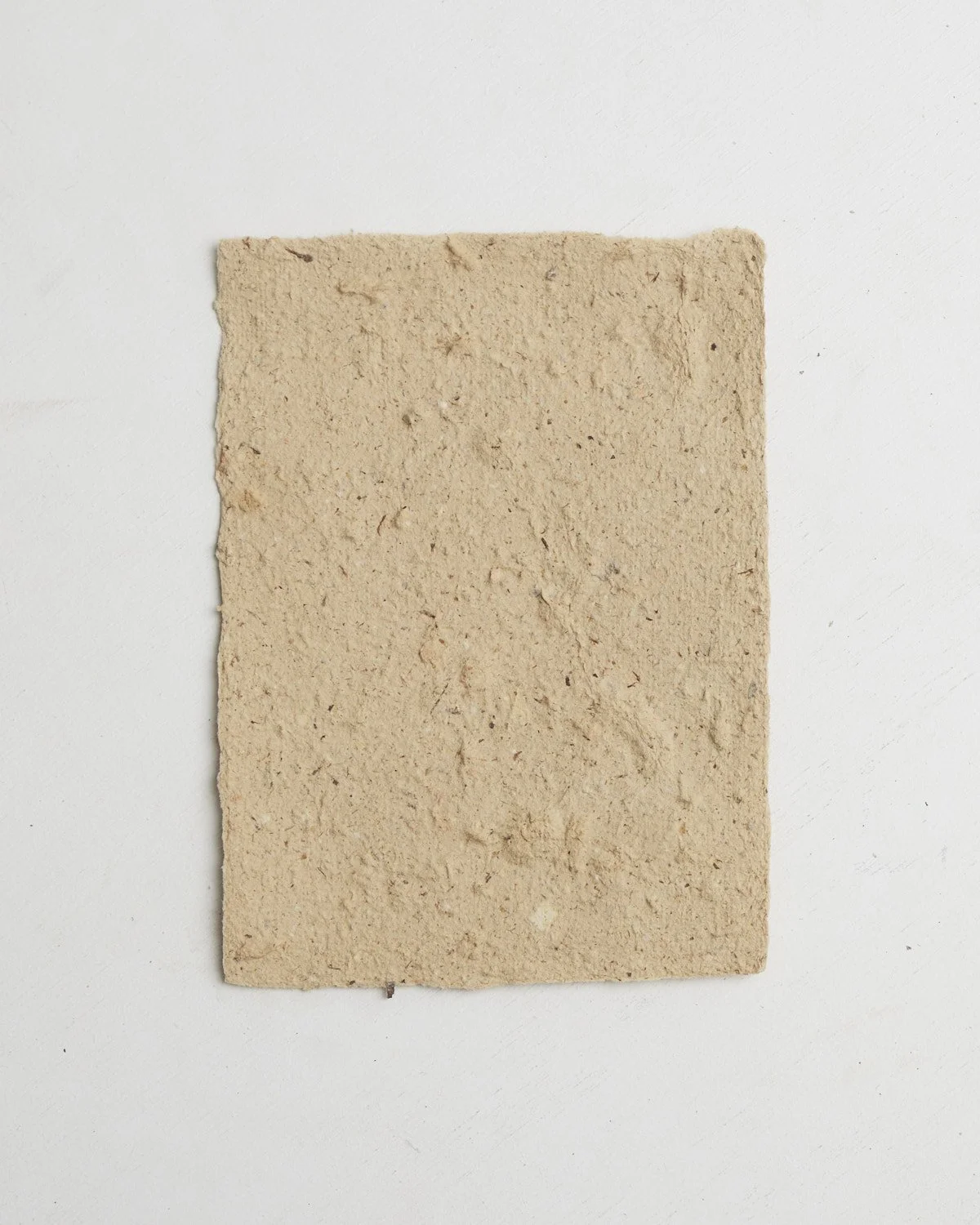
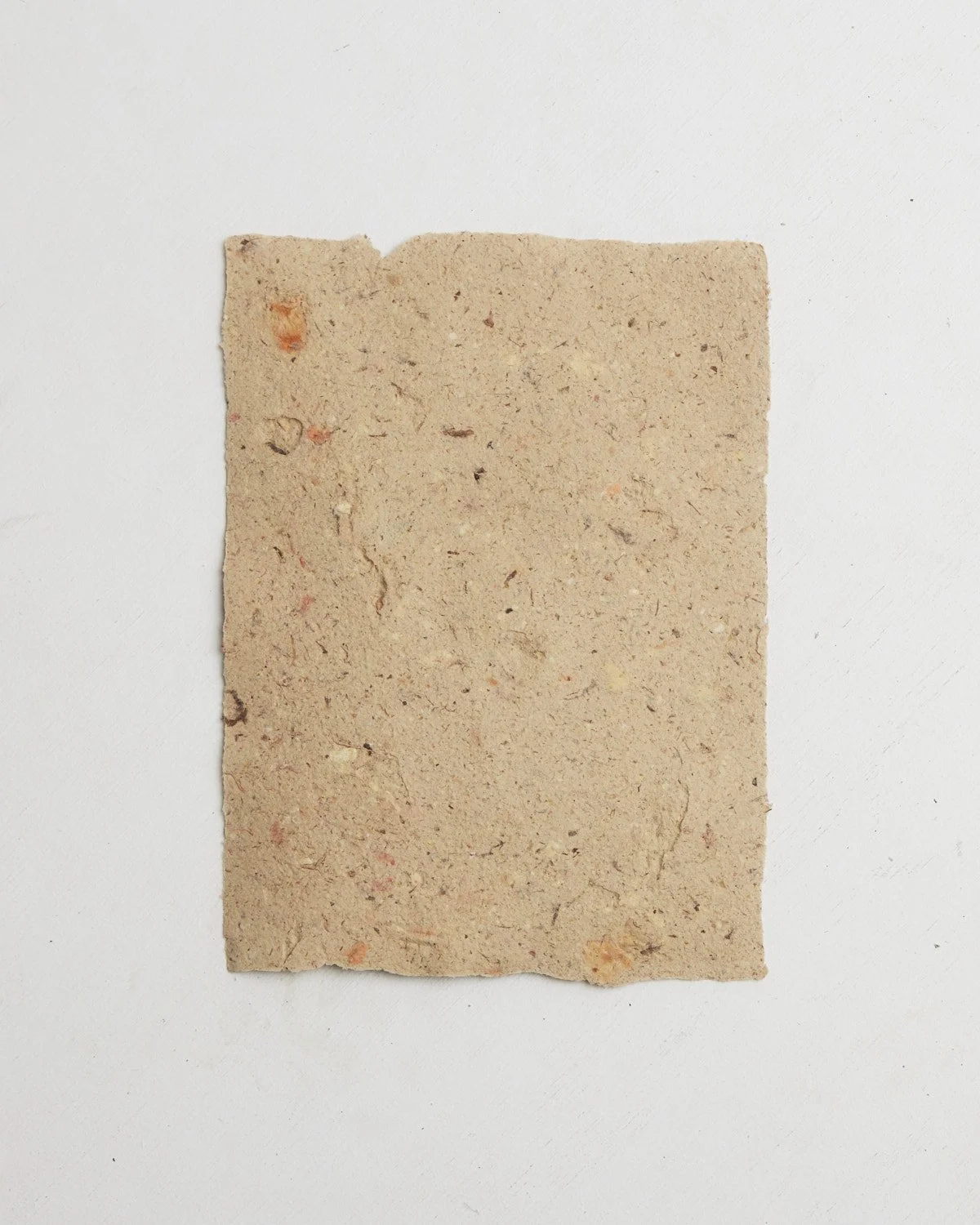
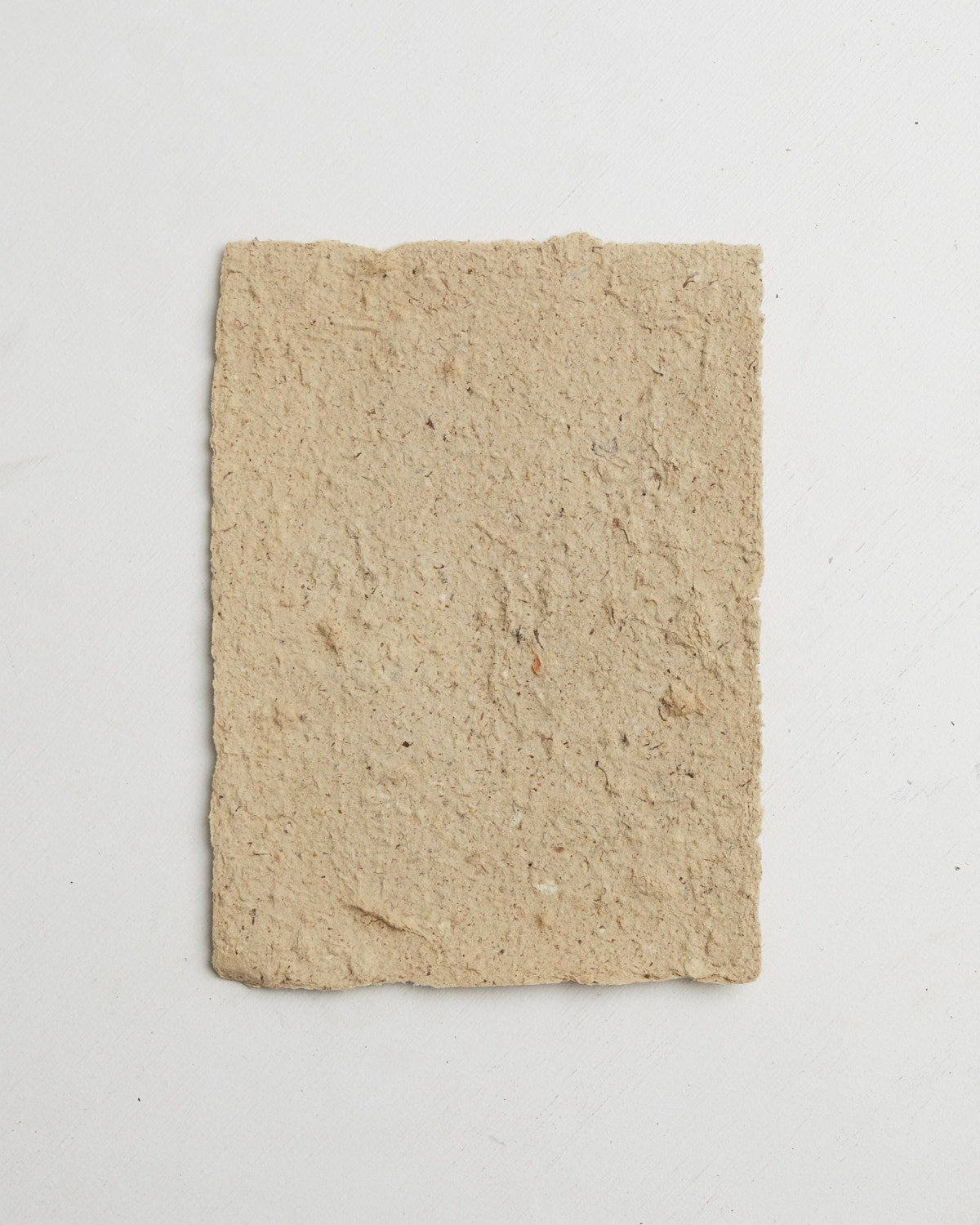
Inspired by the foundational work Miriam Rice pioneered in the arts of mushroom dying and paper-making in the 1970’s, Gerry’s research led to discovering that certain fungi are comprised with the biopolymer compound, chitin. This natural fibre is a brilliant binding agent for paper-making, akin to the composition of cellulose-based papers.
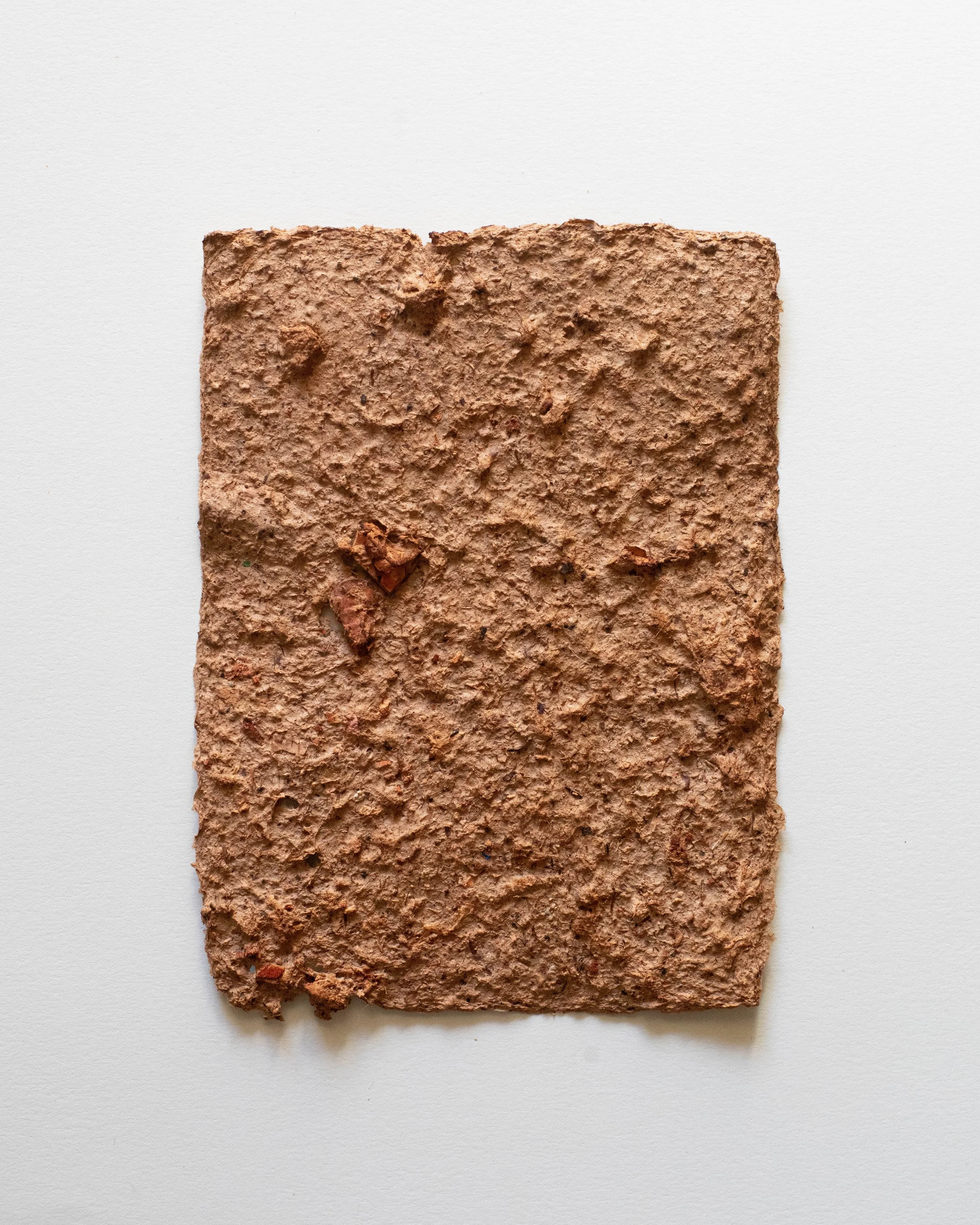
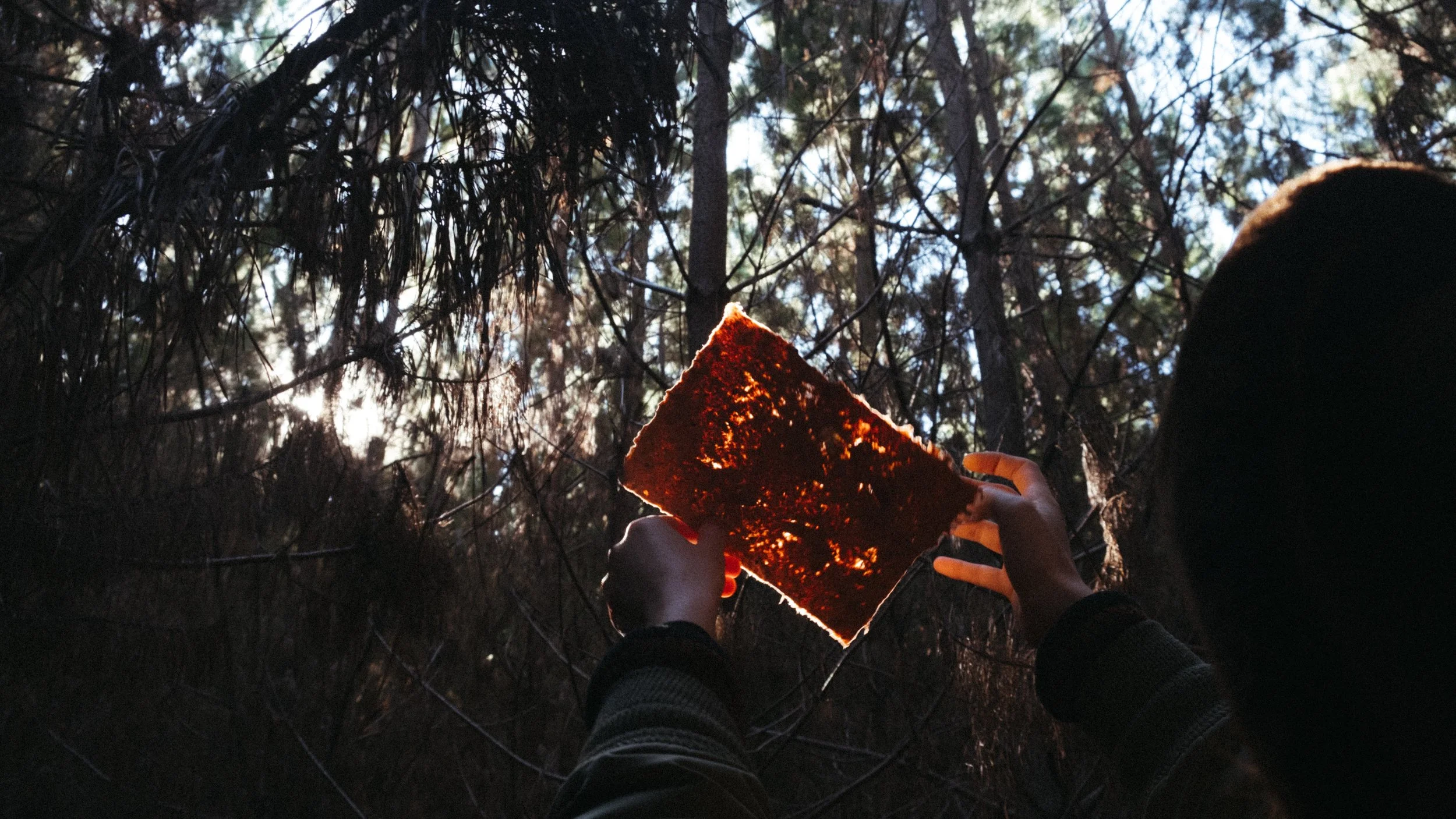
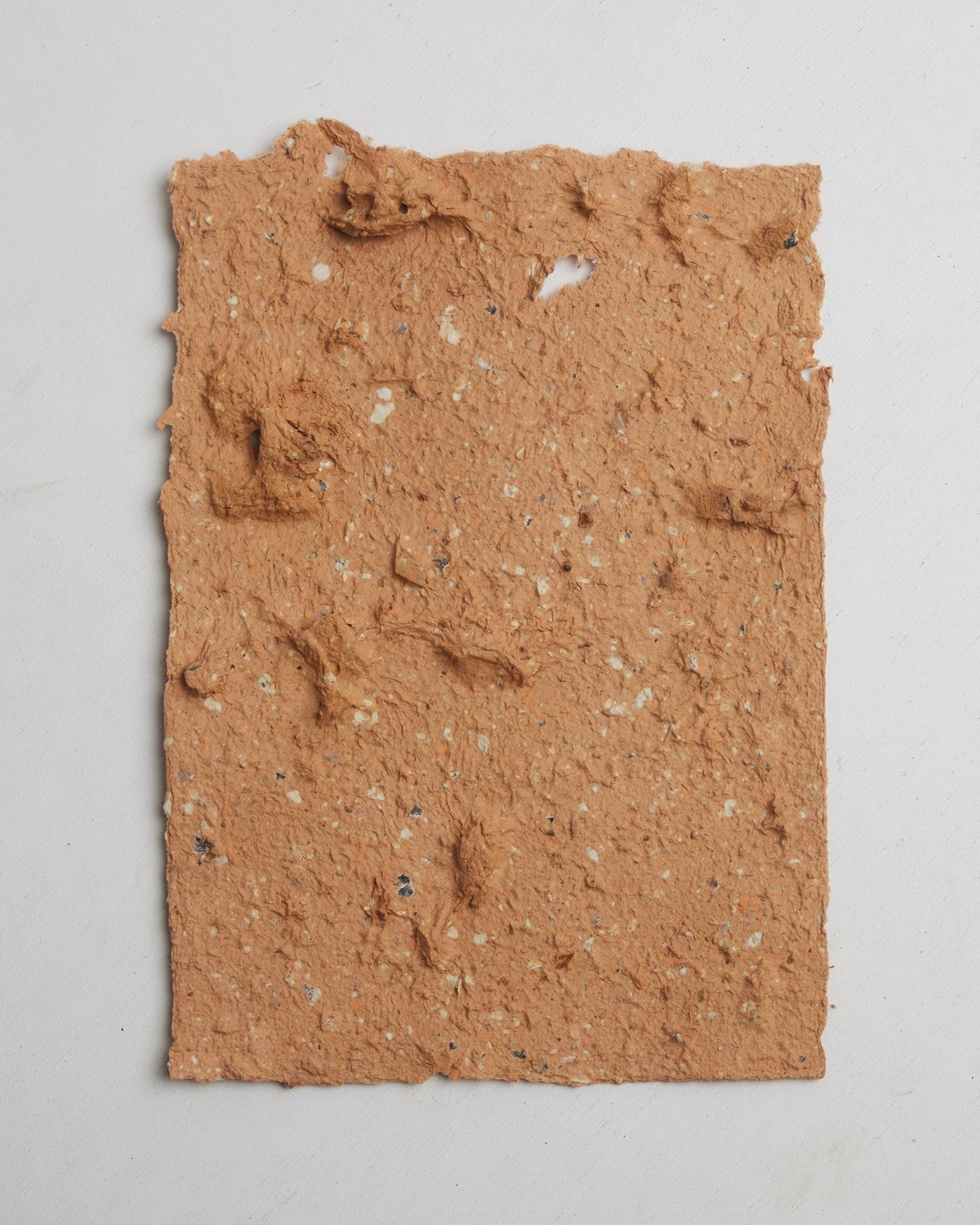
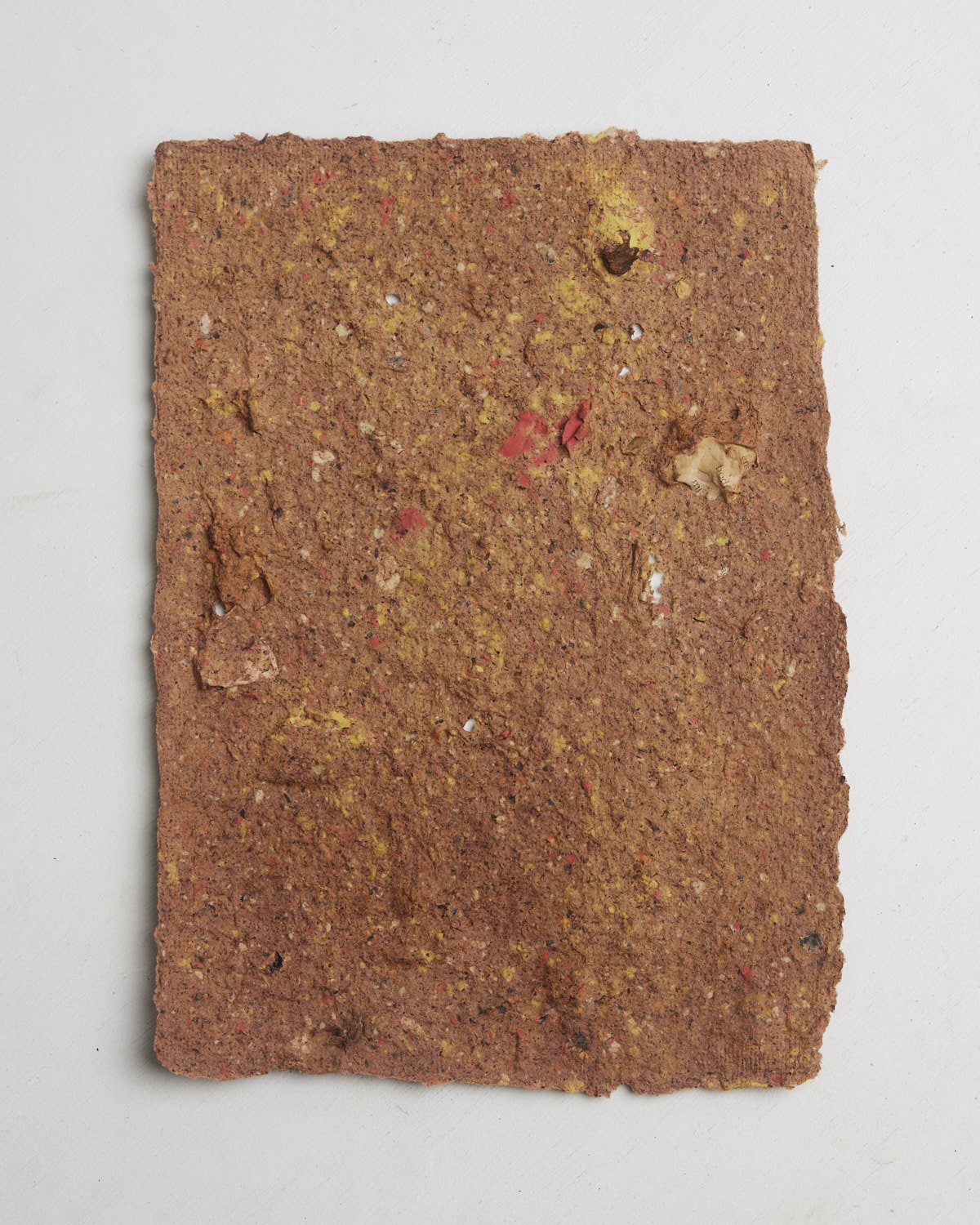
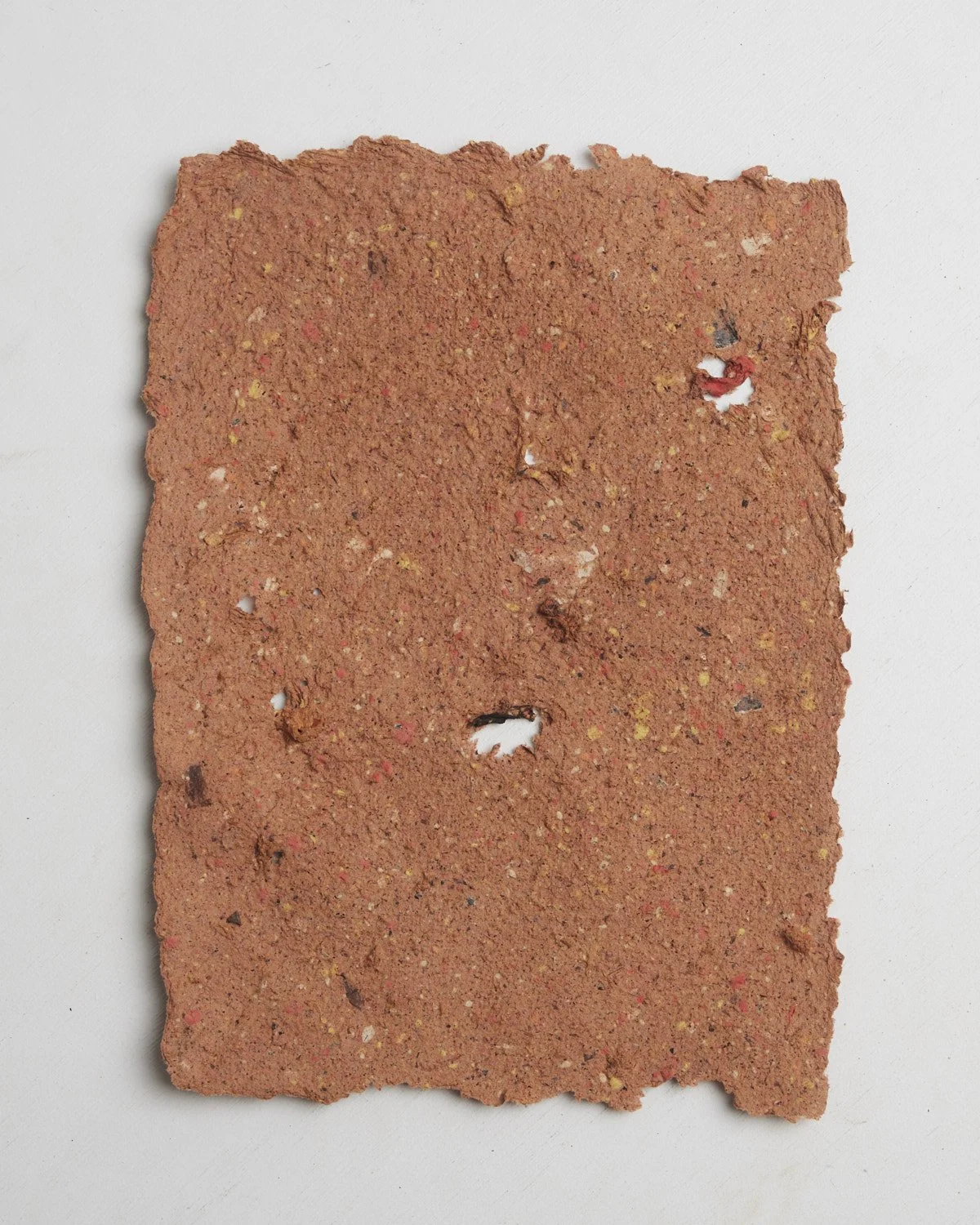
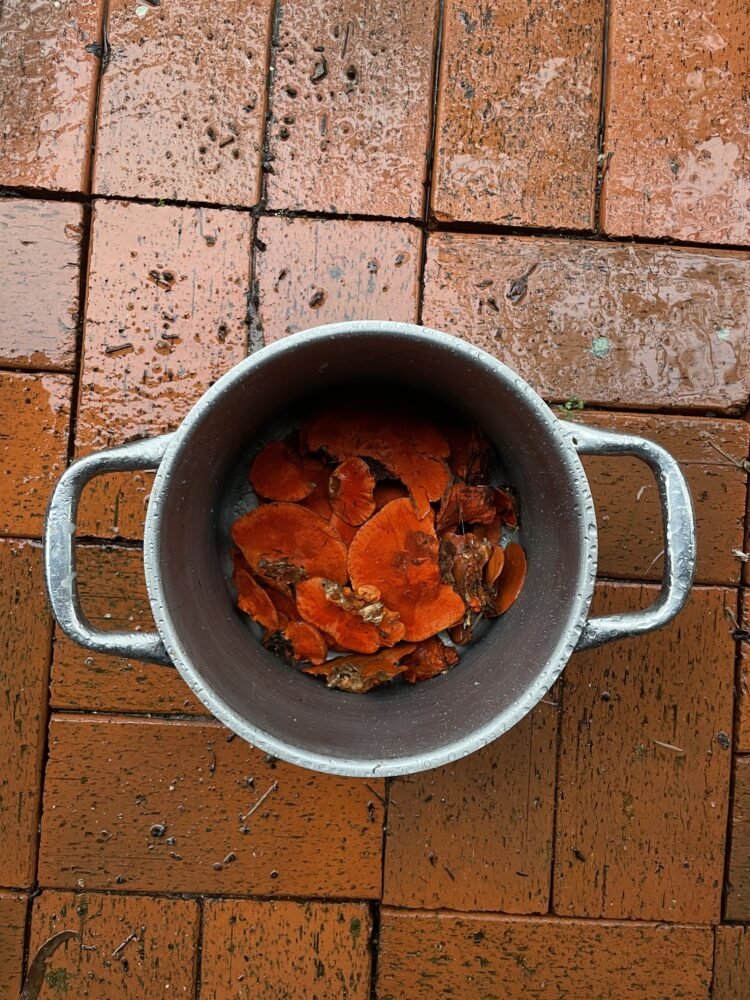
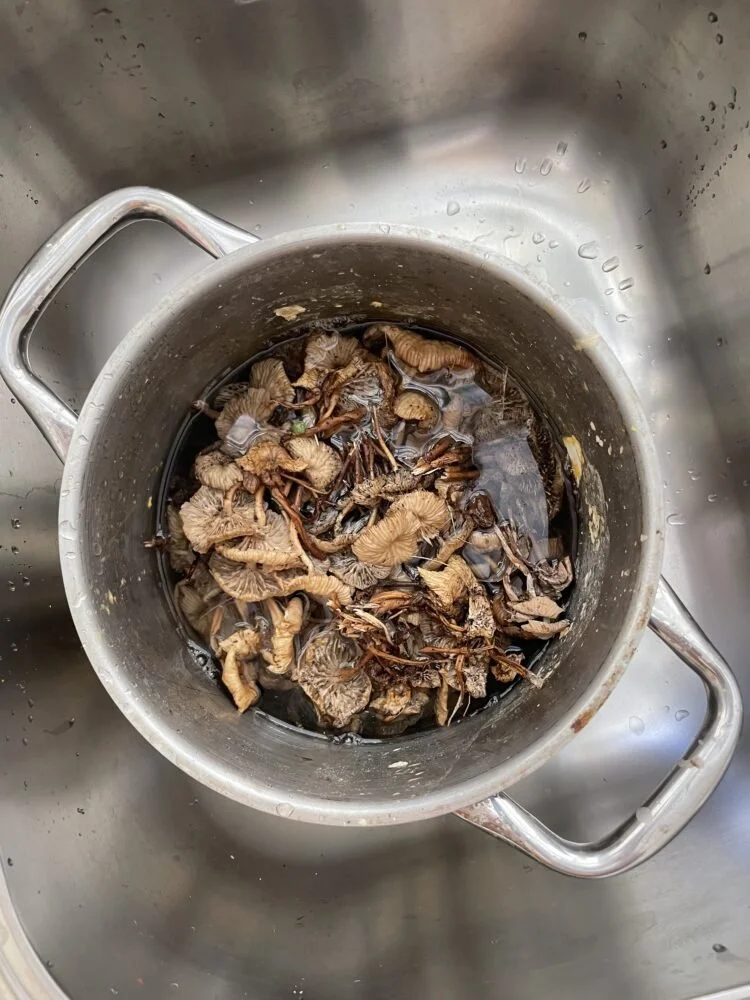
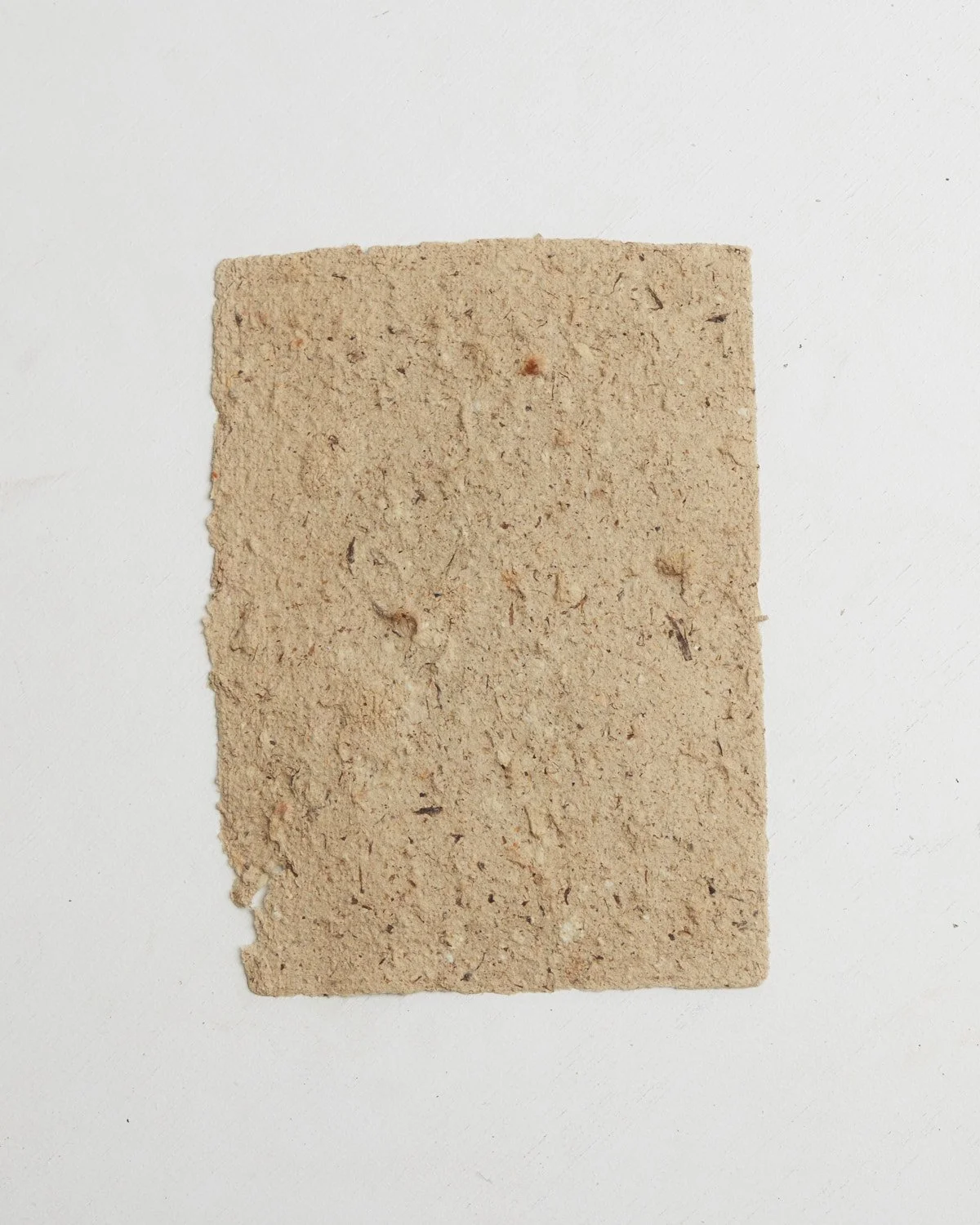
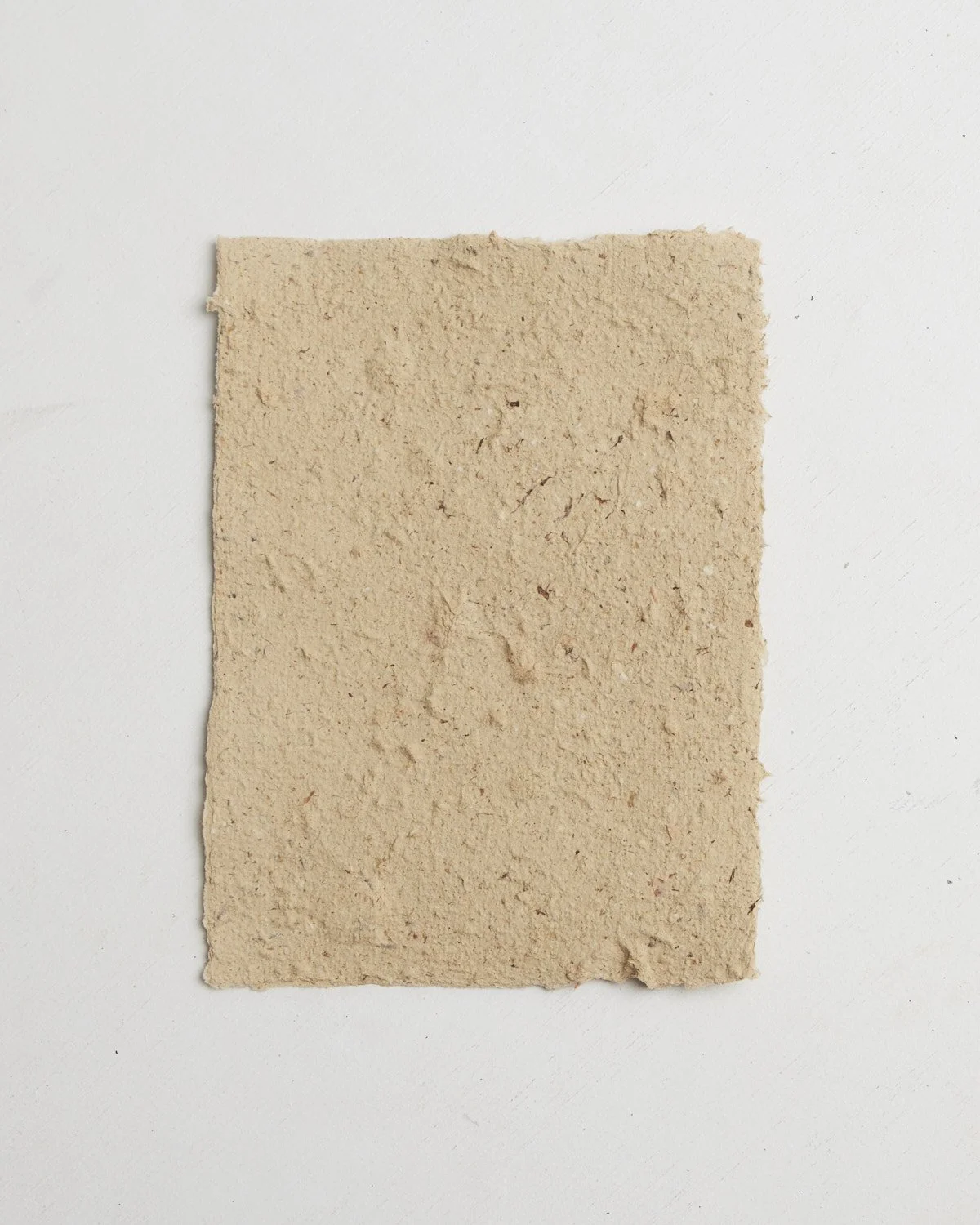
Pycnoporus coccineus (Southern Cinnabar Polypore), 2023
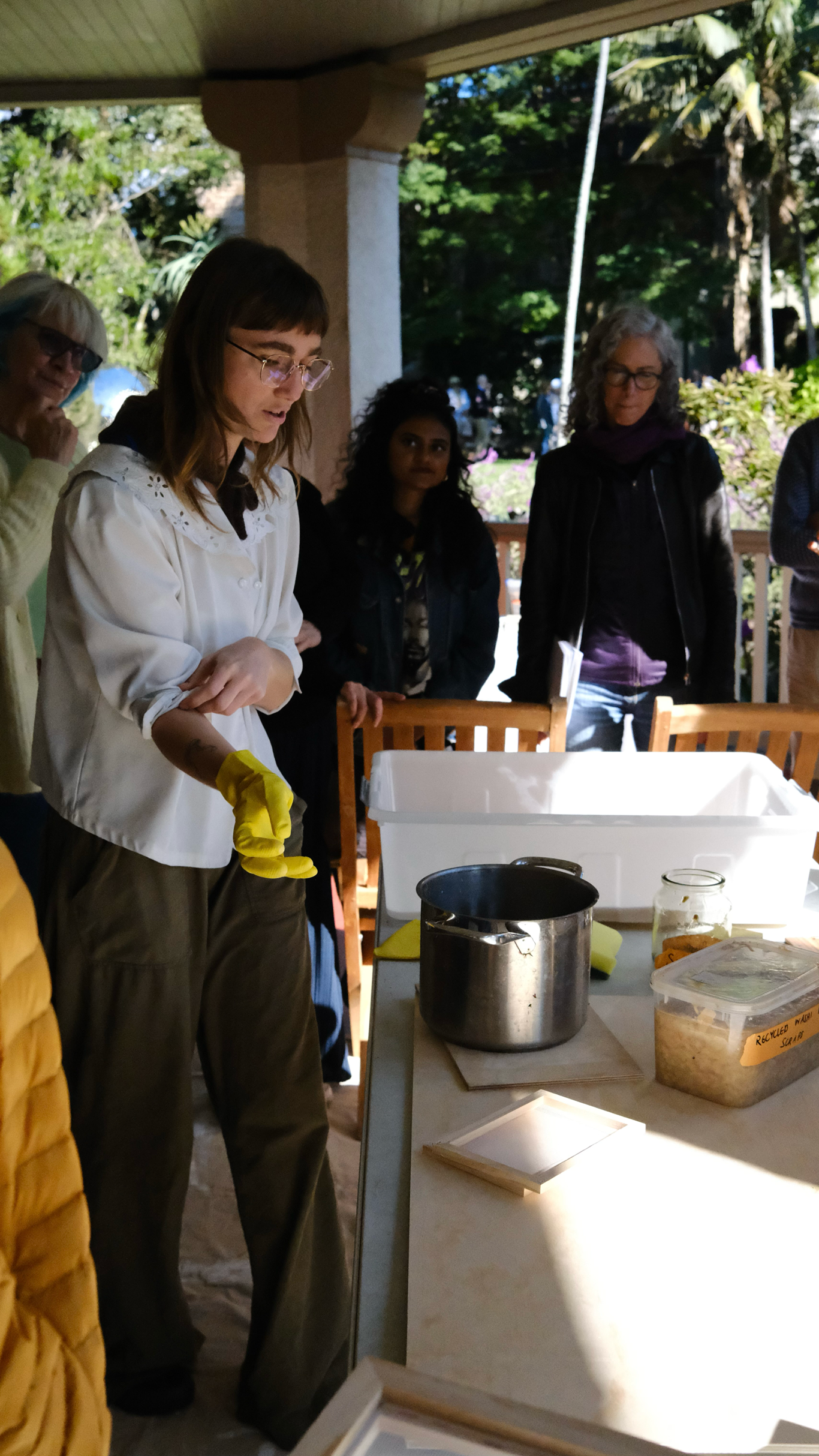
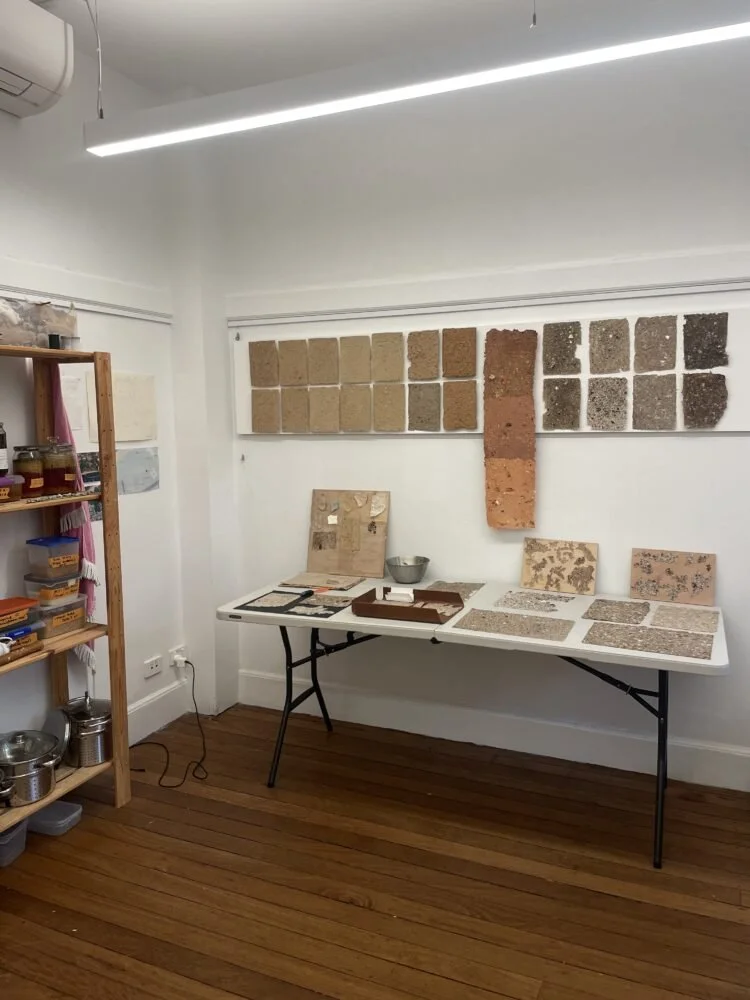
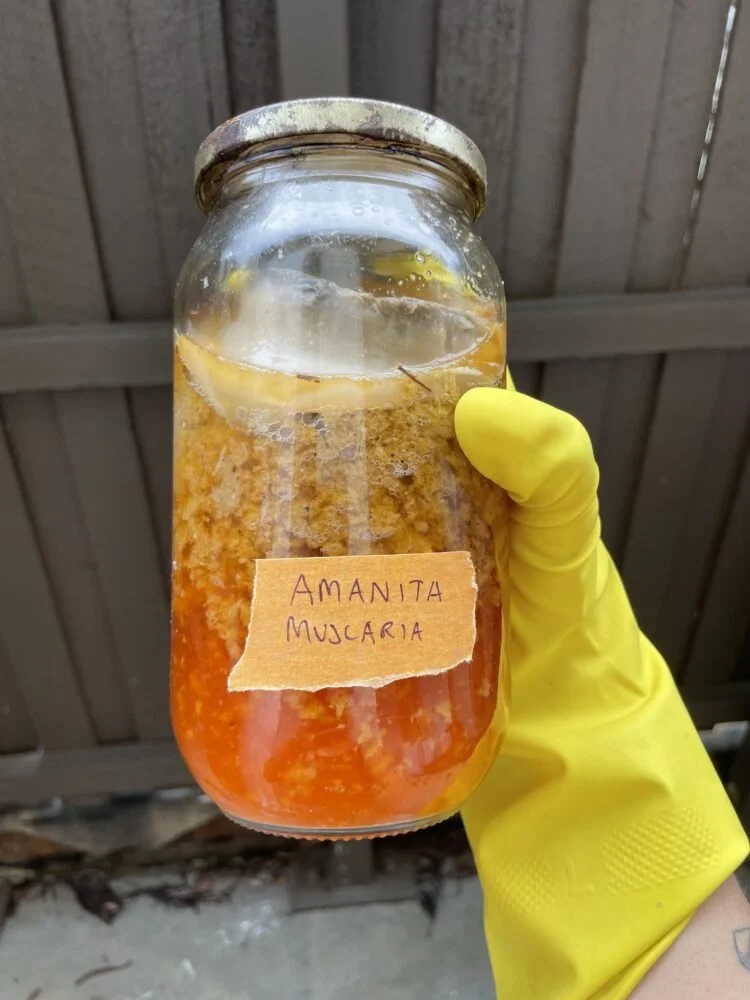
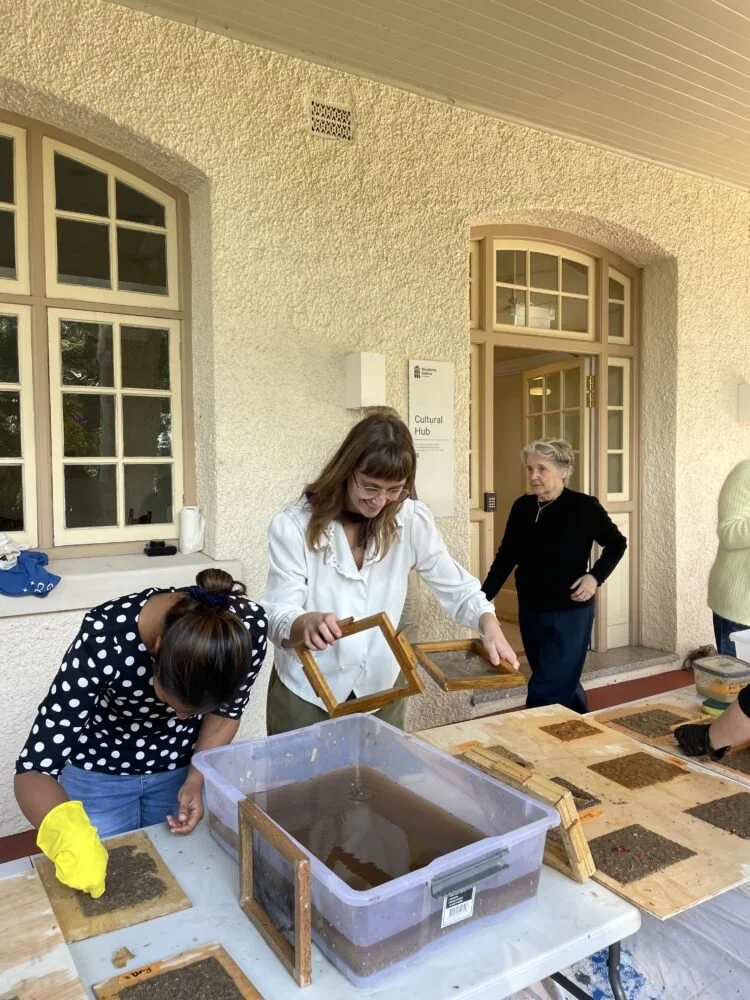
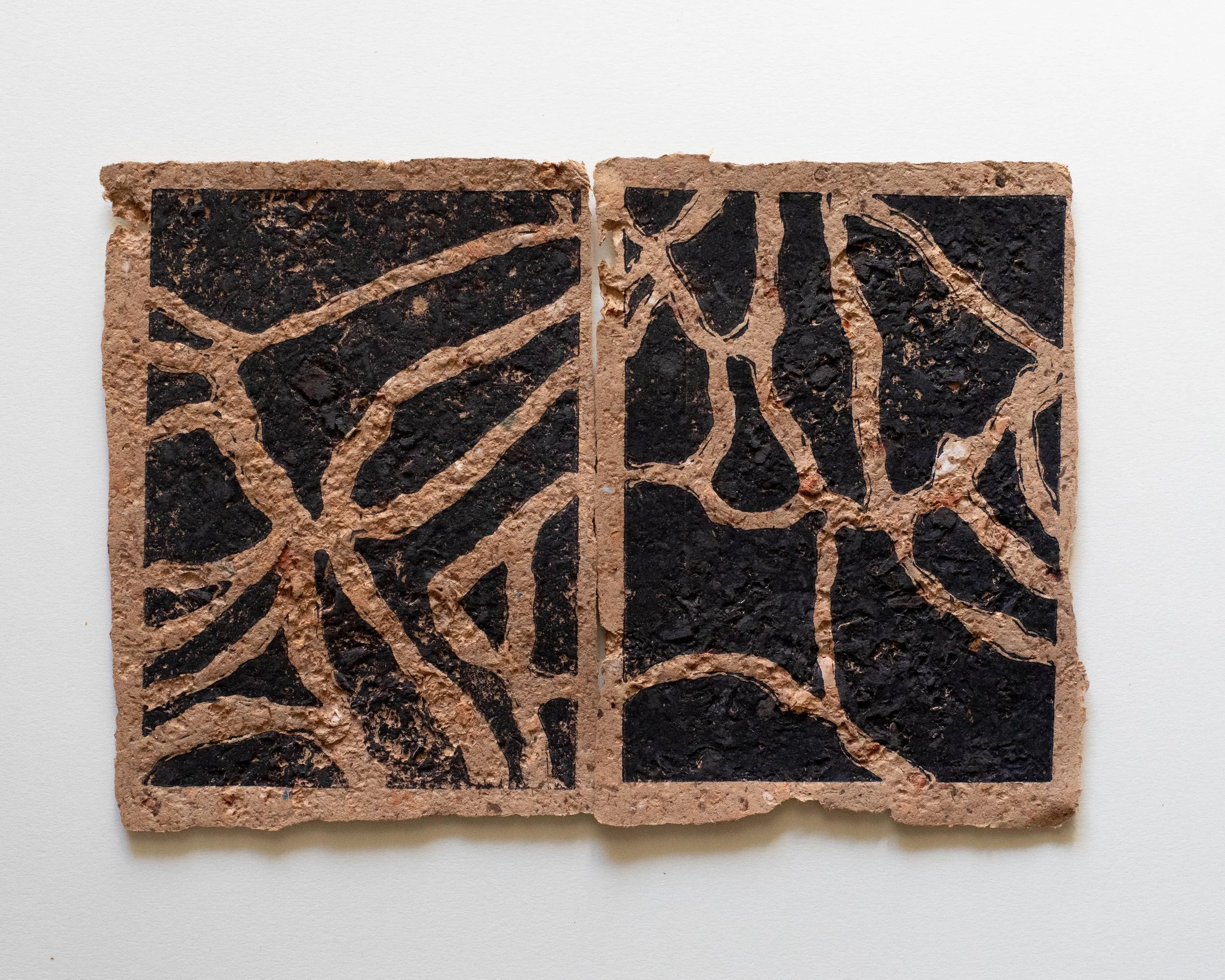
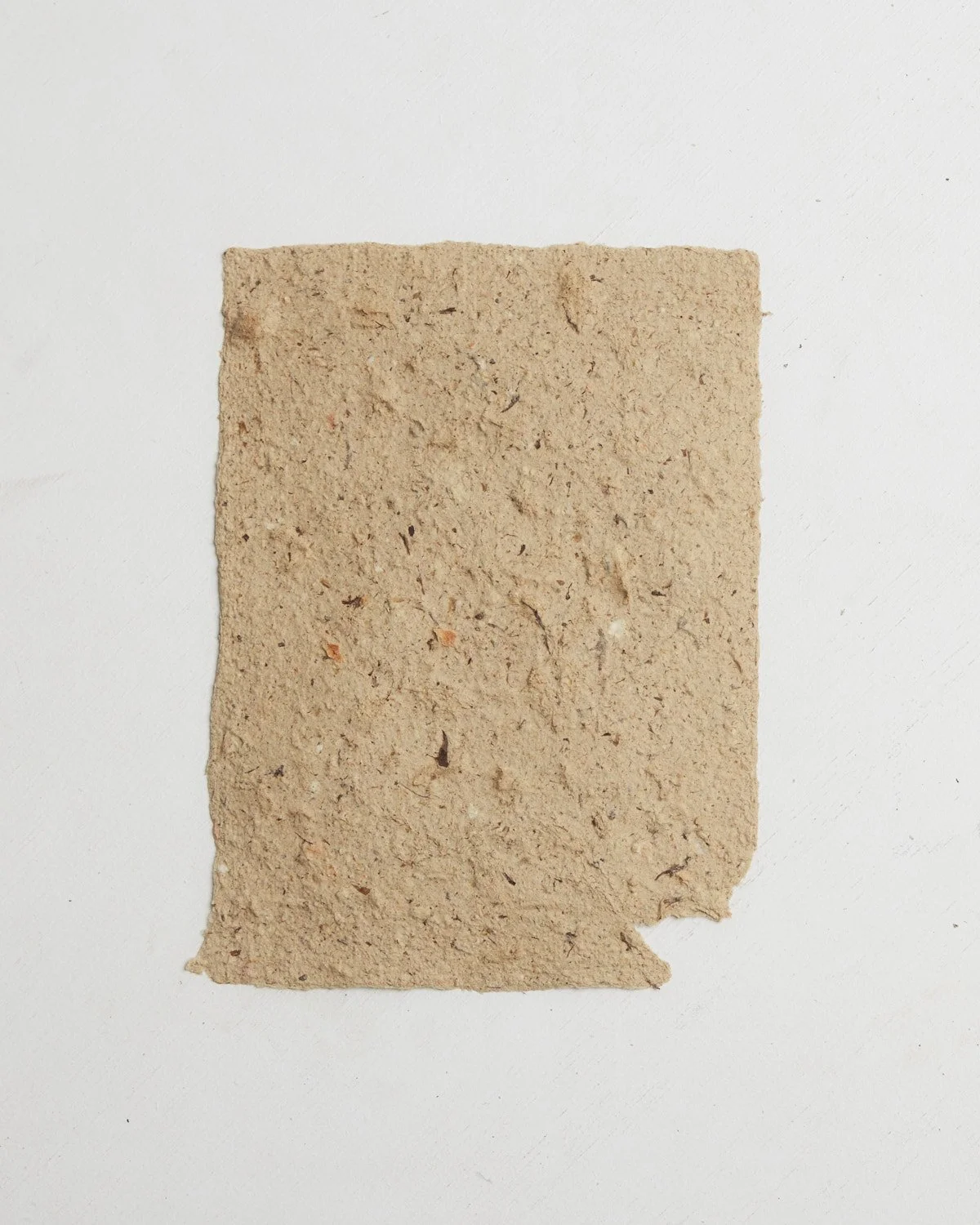
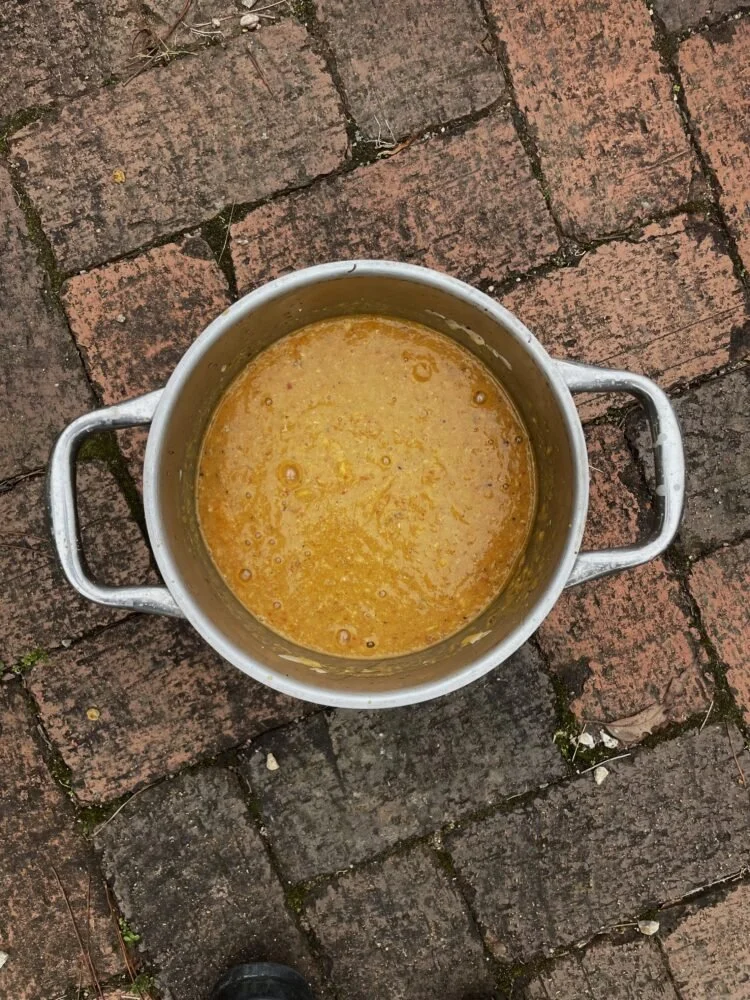
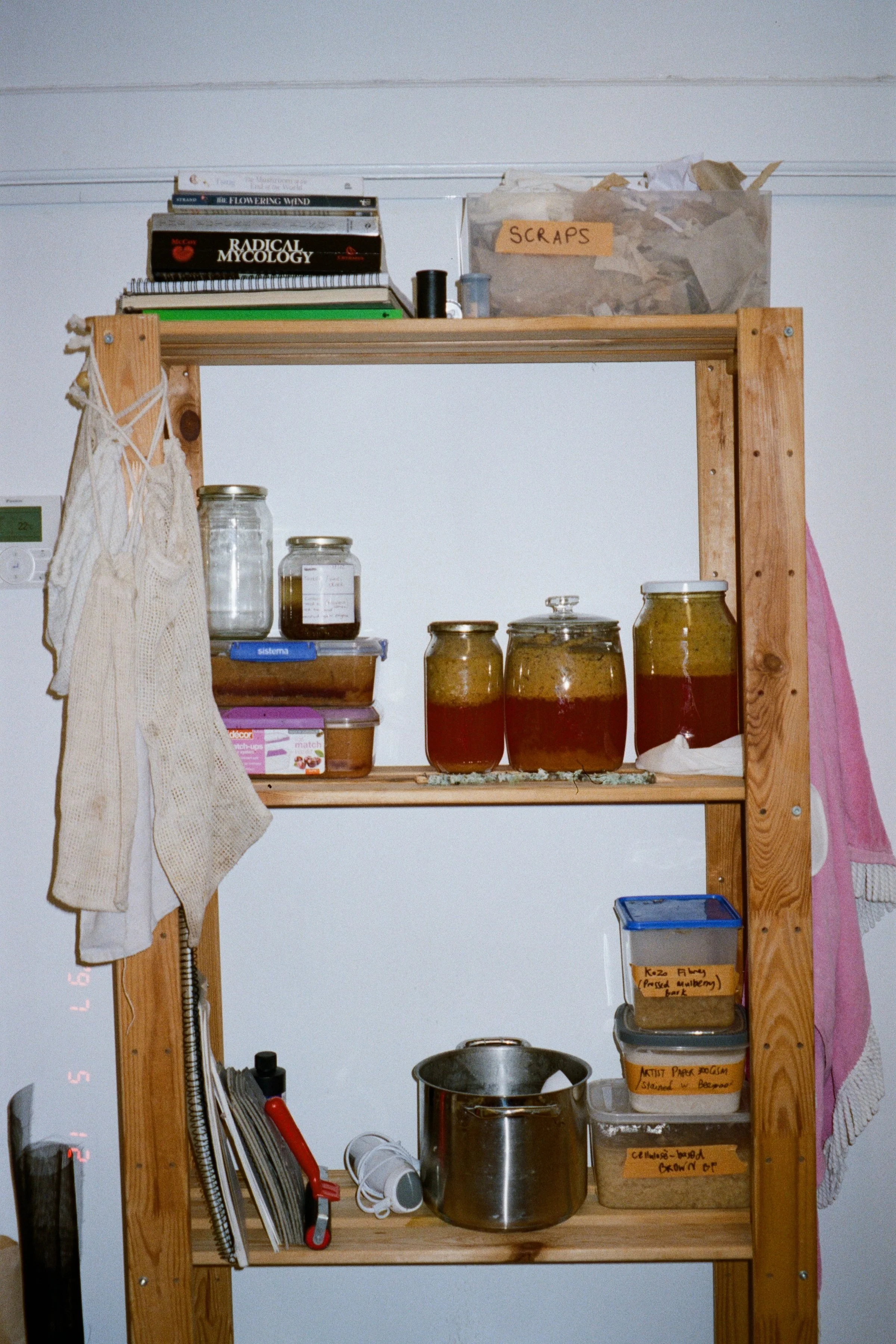
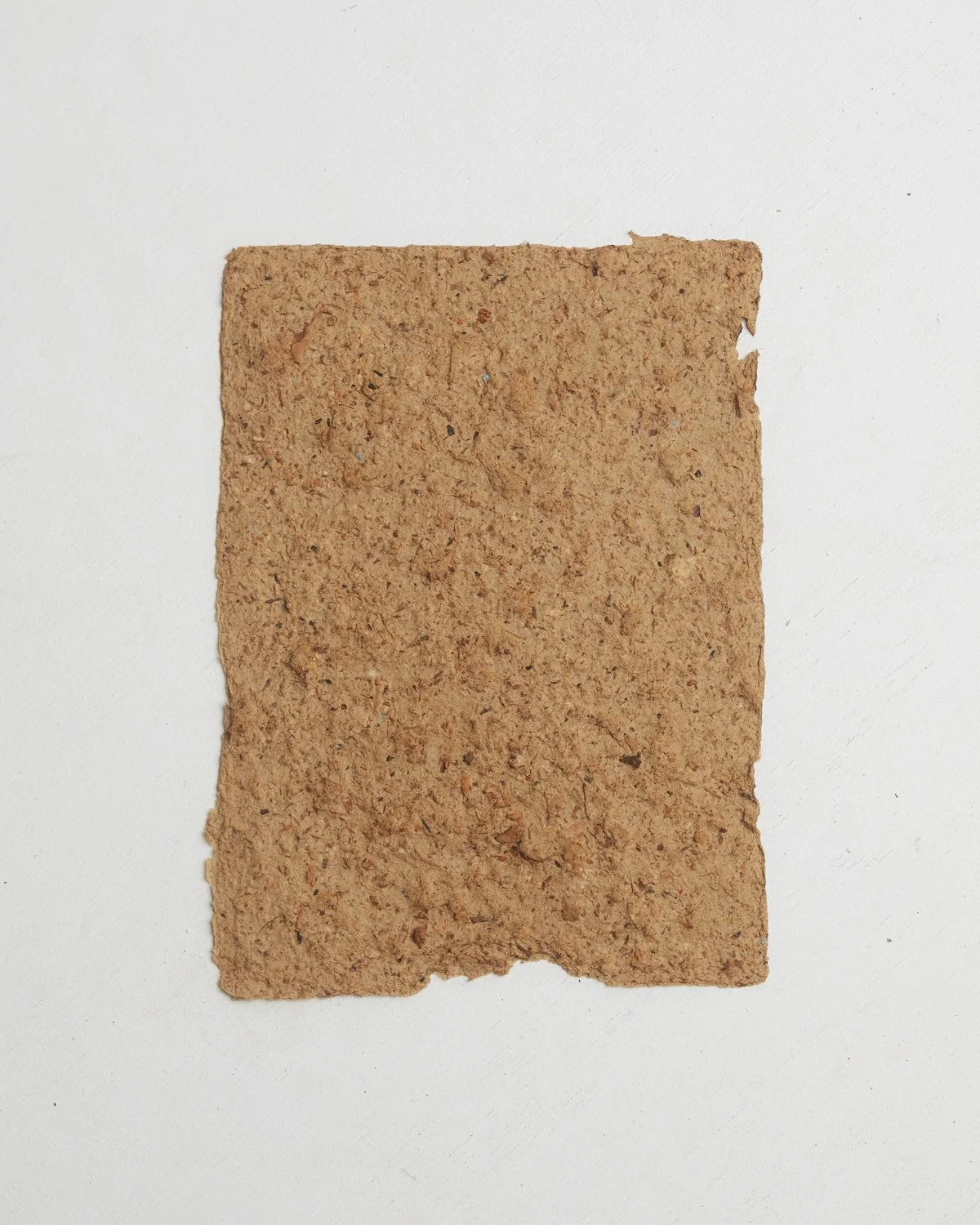
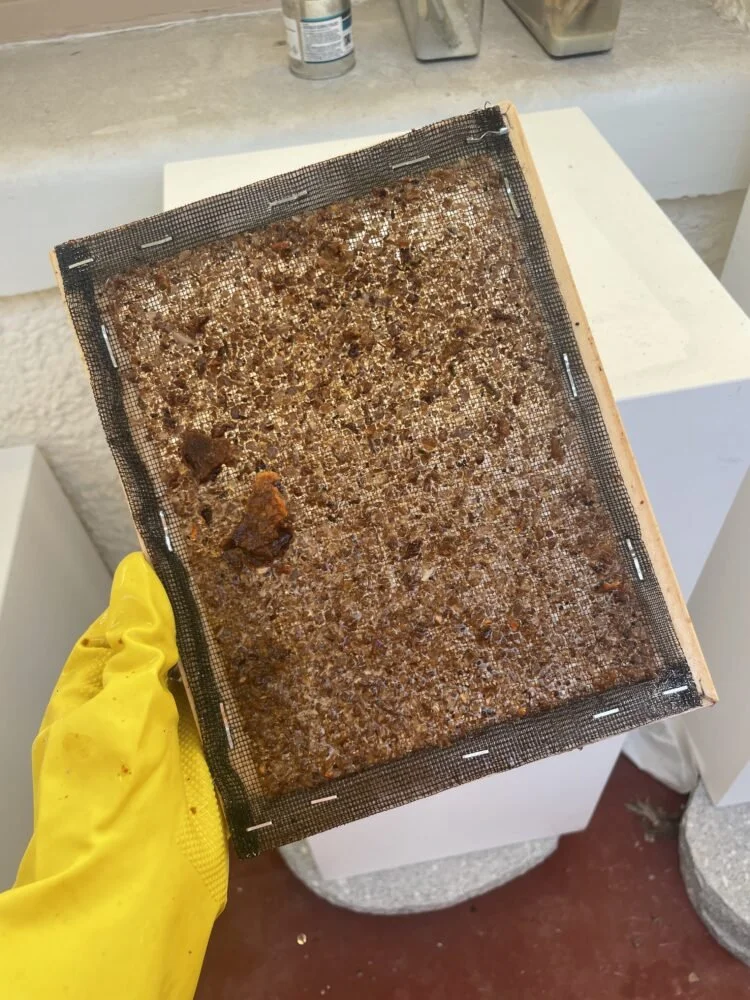
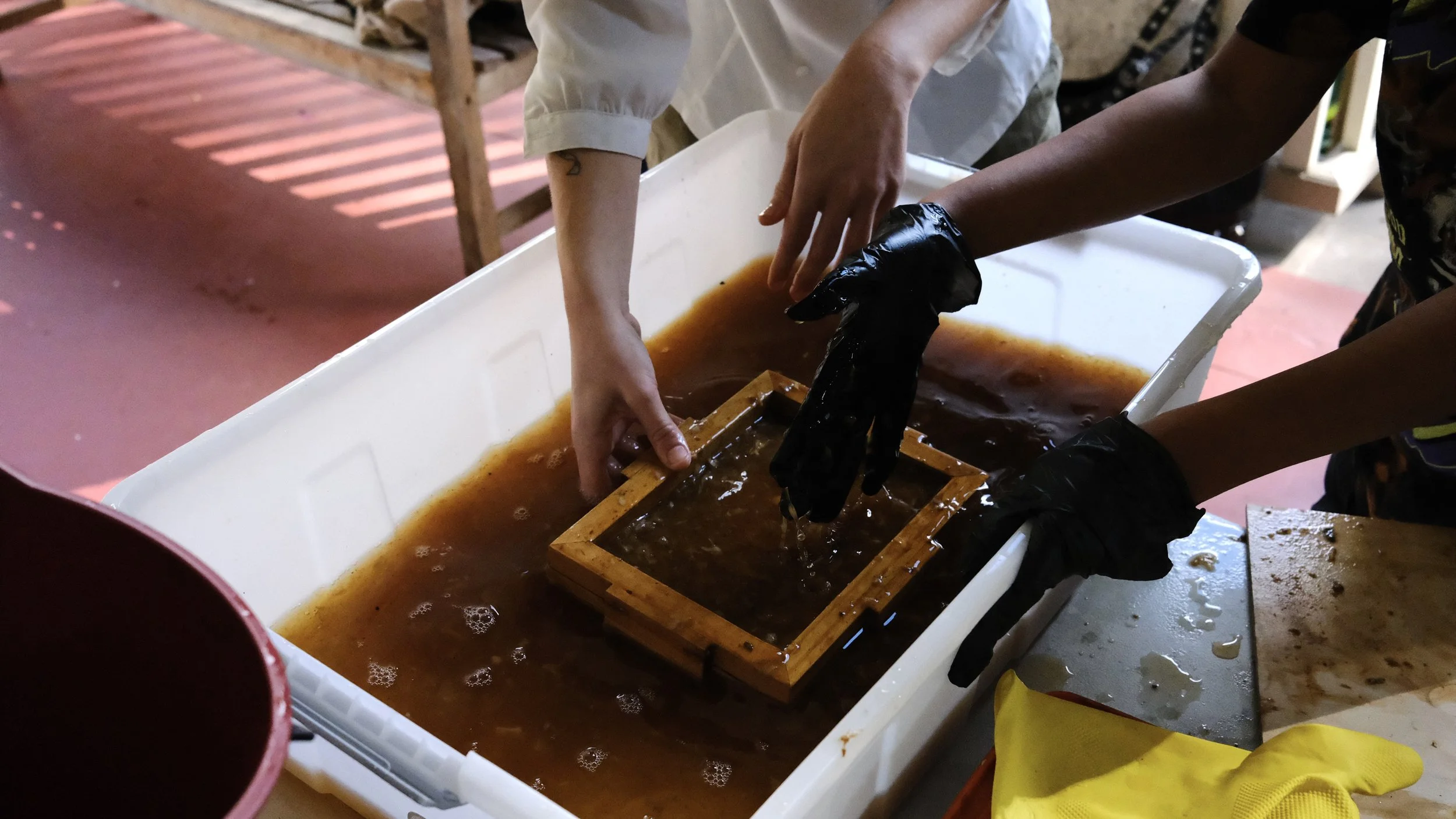
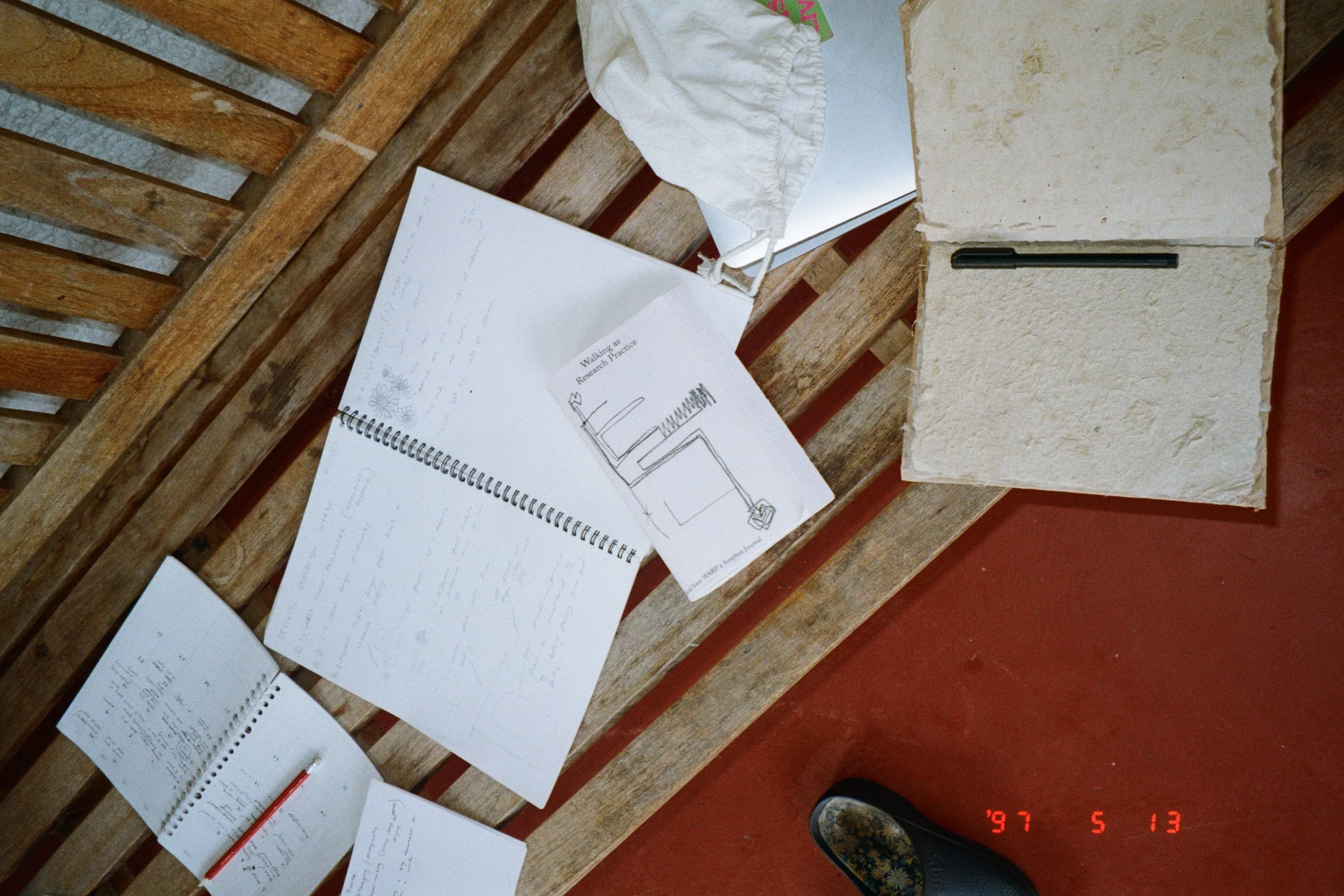
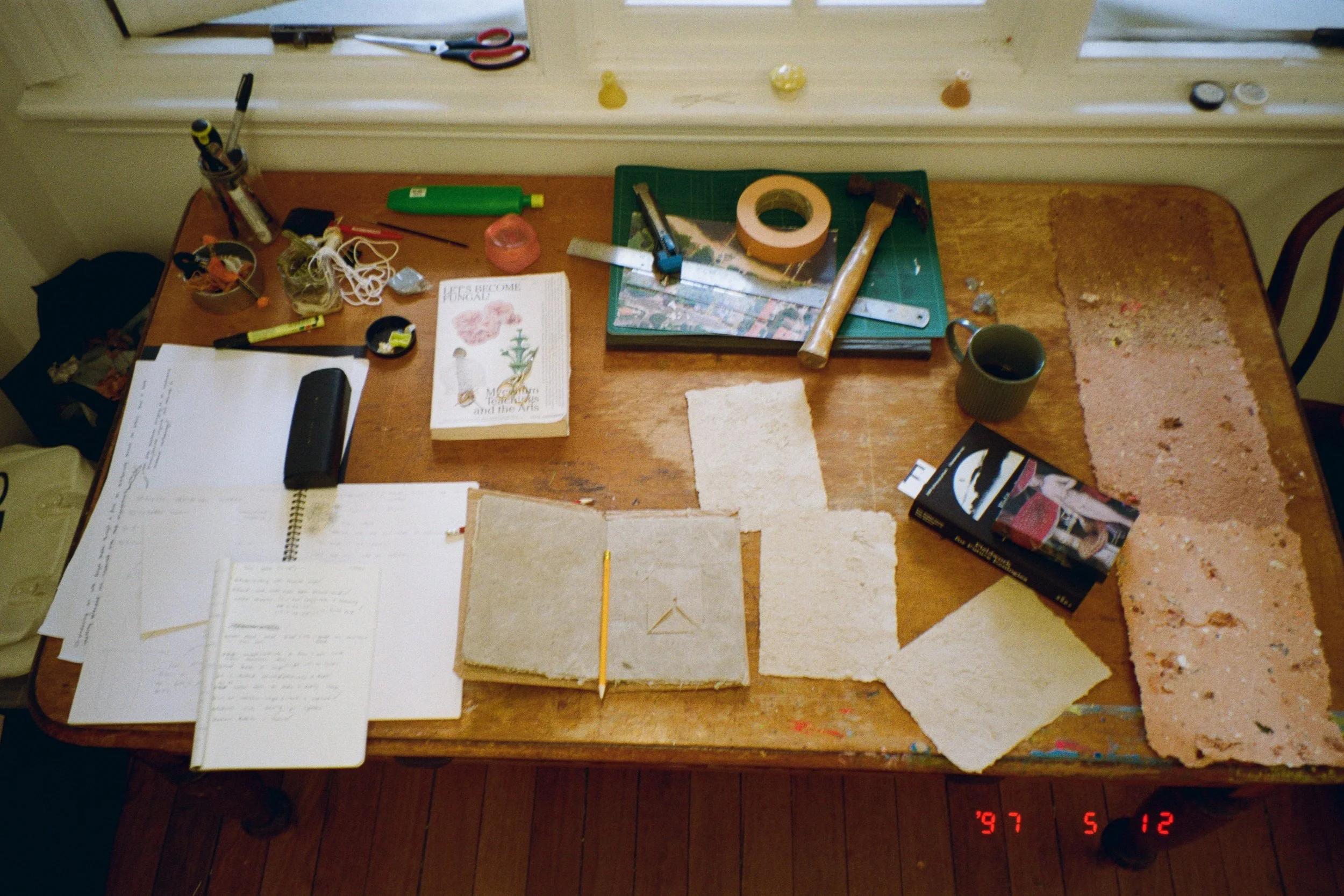
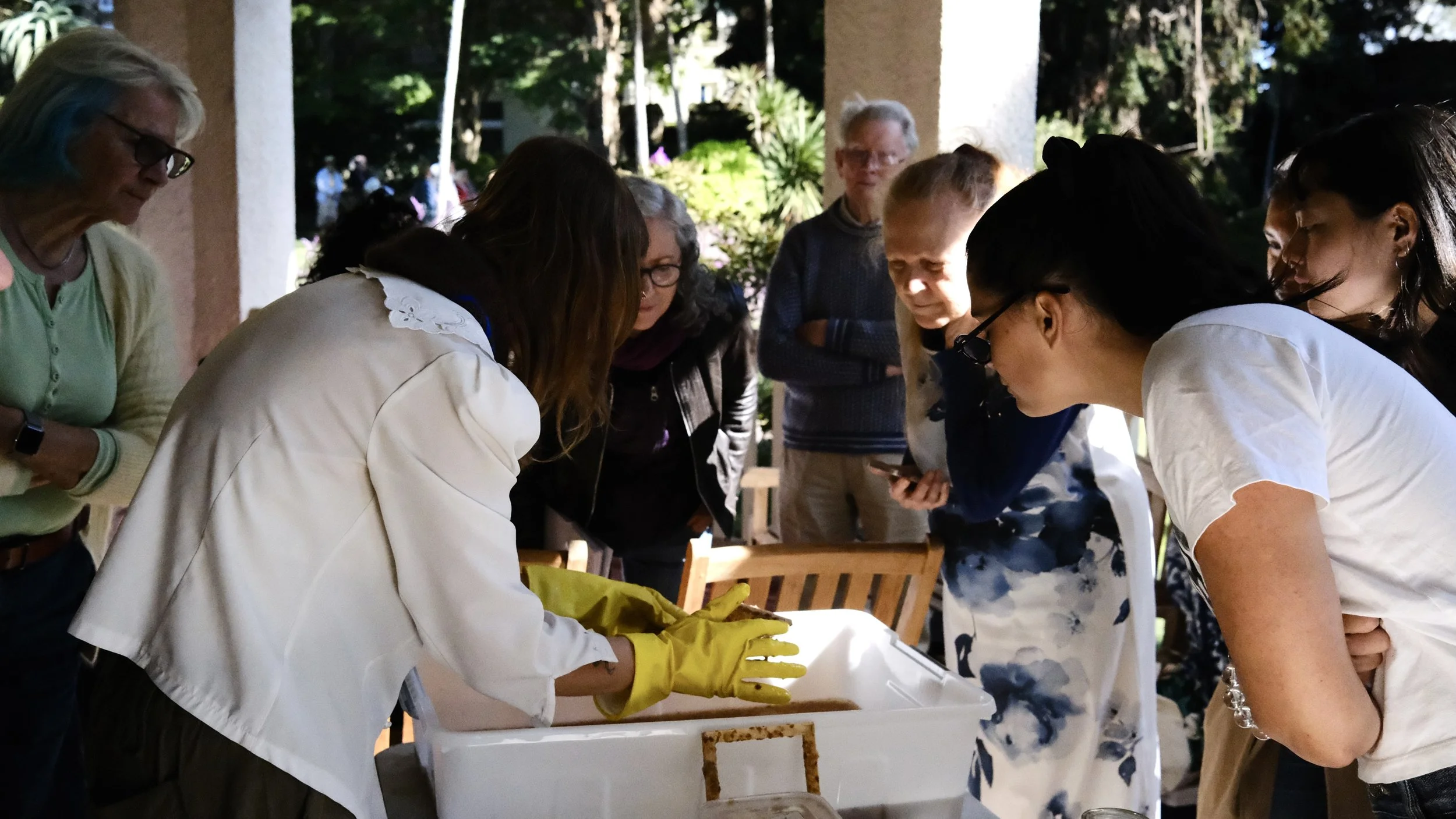
Guided by foraging practices, The Fungus Paper Research Project aims to be an amalgamation of art and embodied research, where a variety of mushroom species will be categorised, collected, documented and developed into papers. This Project illustrates a merging of knowledges, drawing from branches of mycology, science and arts-based research to inspire further engagement between communities and their local environment. Through foraging, creatives will gain a better understanding of the rhythms and patterns of their surrounding landscapes, whilst also creating paper from gathered fungus and domestic or studio waste materials that can easily be recycled or composted in a reciprocal practice of care.
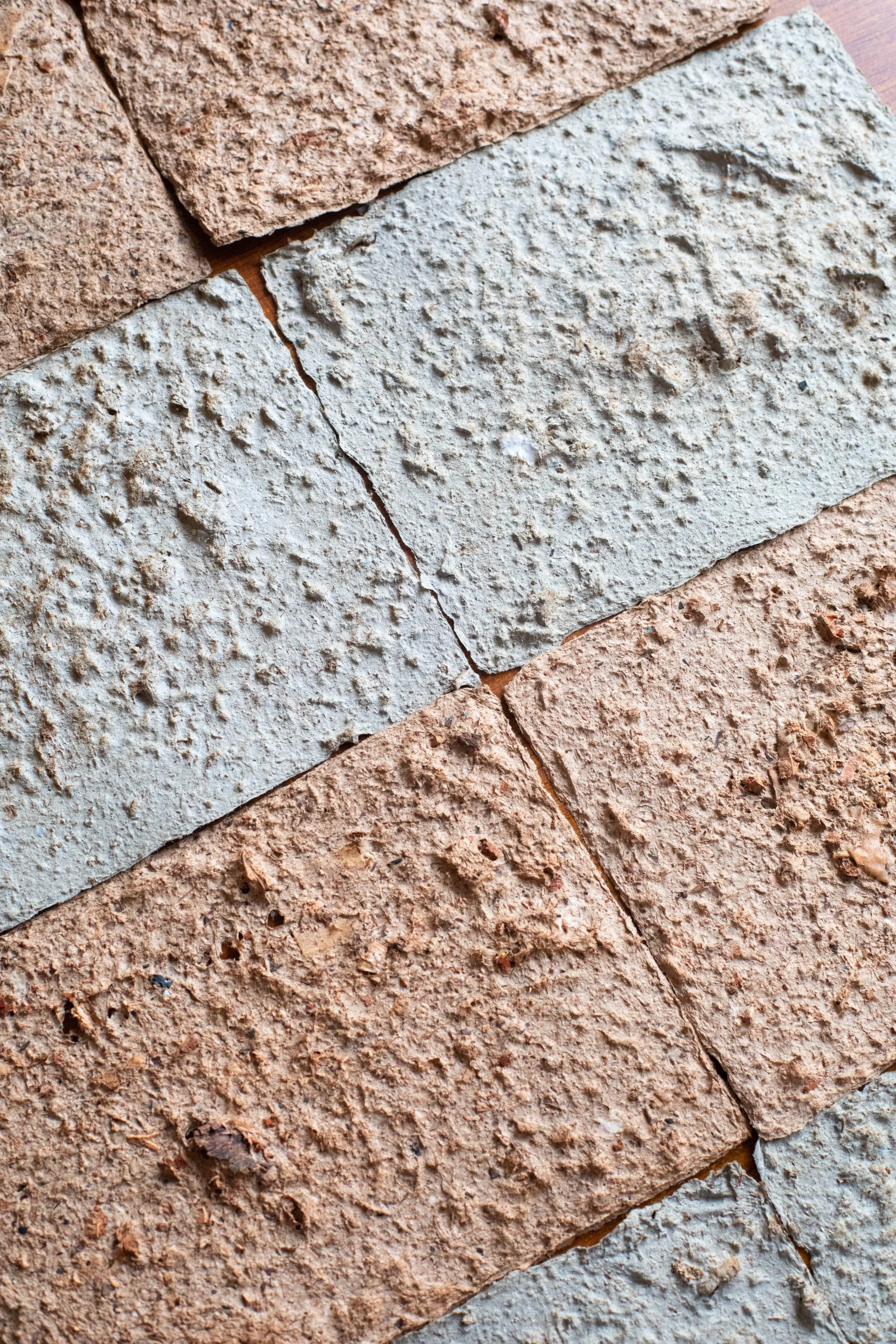
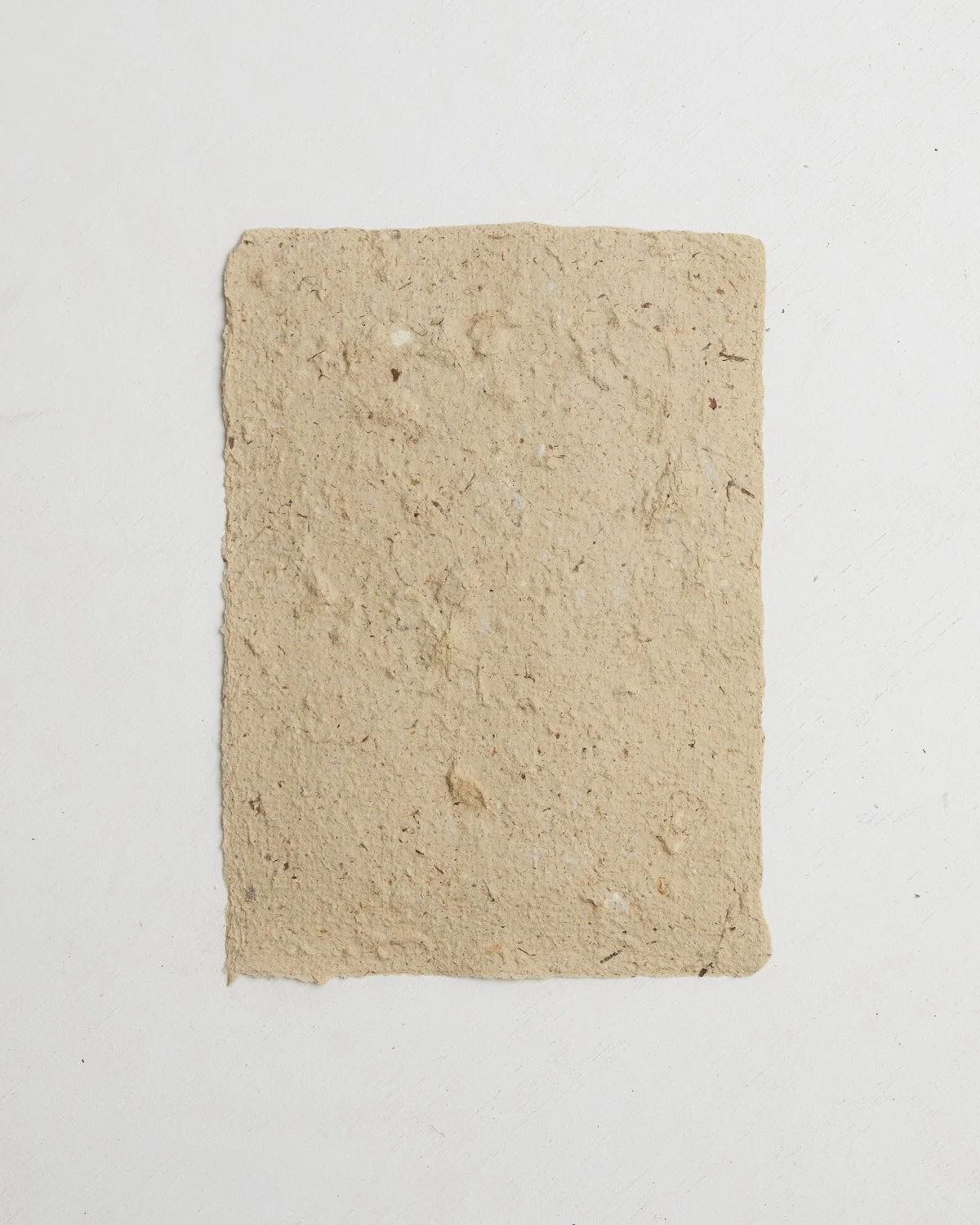
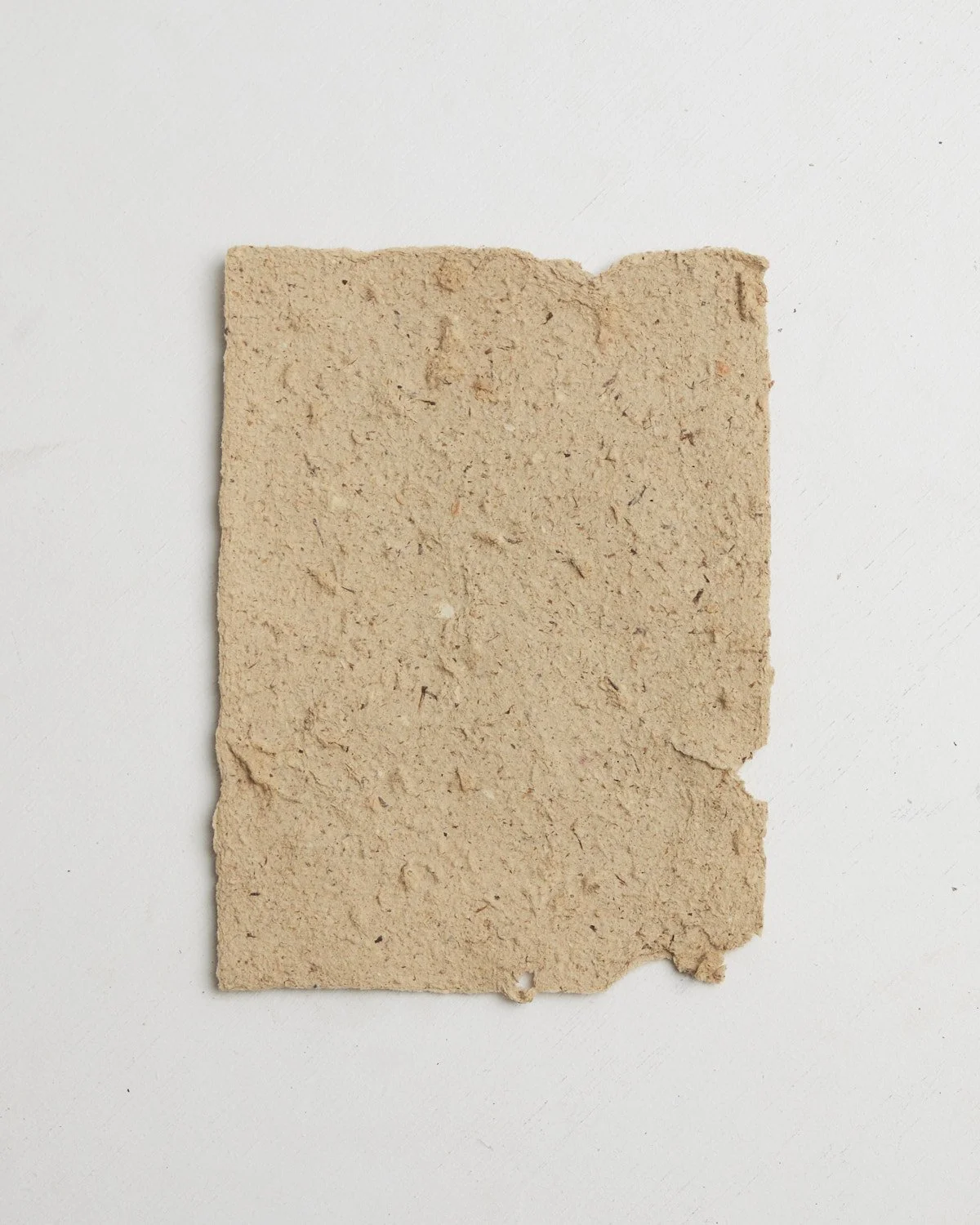
By collating the aesthetic results of fungal properties in paper-form, the Fungus Paper Research project promotes a pedagogical and low-tech alternative to producing and recycling paper-based matter. The goal is to imagine reciprocal relationships to fungi and the environment through embodied creative practice. Re-defining not only methods of paper production, but the processes in which information and relationships to such materials are obtained. Paper-making with fungi offers a circular and sustainable alternative to artistic experimentation. This exploration fosters a more-than-human collaborative approach to paper-based materials, focusing on sustainable processes and effects. Fungus papers embody the origins and trajectories of place, shaped by entangled agencies that extend beyond the human. Overall, the conceptual source and local-impact of the Fungus Paper Research Project aims to spark conversation around the future of paper-based materials, and ignite curiosity around mushroom foraging as an arts-based research method.
https://www.futurematerialsbank.com/material/fungus-2/
Photos: Maya Martin-Westheimer, Lily Rose Gerry, Kane Lehanneur, Alexander Cooke, Charli Rose Gerry